 By Claire Whitaker
Updated November 2026
Black Friday wood router deals can save you real money on a tool you will use for years, but only if you know what to look for. This guide walks you through how to plan your purchase before the sale, how to tell a genuine discount from a marketing gimmick, and which router features matter most for the projects you build. By the end, you will have a short list of router types to compare and a checklist to use when the deals go live.
Decide What Router You Actually Need Before the Sale
The biggest mistake shoppers make during holiday sales is buying a router because it is discounted rather than because it fits their work. Start by listing the projects you build most often. The answer will point you toward the right tool class.
Shopping for one? See our guide: Top 7 Wood Router in Tools for Woodworkers Compared.
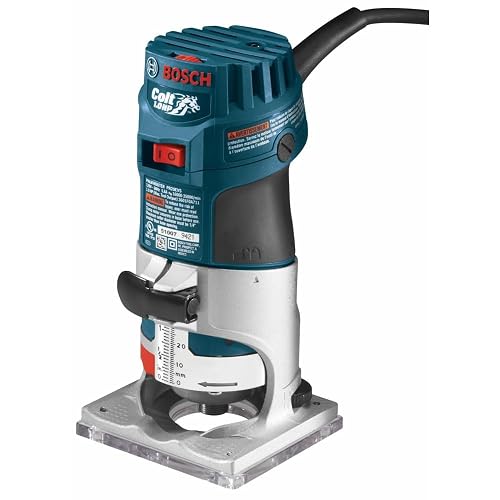
- Fixed-base trim routers suit edge profiling, small dadoes, template work and light hand-held tasks. They are compact and easy to control.
- Plunge routers are the workhorse for mortises, inlays, sign lettering and anything that needs depth changes mid-cut.
- Router tables or table-mounted setups make sense for repeatable profiles, panel work and shaping small parts safely.
- Handheld router planes are a manual alternative for fine shavings and small joinery adjustments, with no motor involved.
If you are mostly building birdhouses, boxes and small furniture, a fixed-base or plunge router with 1/4-inch and 1/2-inch collet capacity covers most jobs. If you are heading into sign making or carving, a CNC-style machine is a different purchase entirely, and deals on those should be evaluated on machine specifications rather than on the sticker discount.
Know the Specifications That Affect Performance
Before you compare sale prices, compare the numbers that determine how the router will perform. Manufacturers list these on the product page, and they are the fastest way to separate a solid tool from a weak one.
| Specification | What it means | Typical guidance for woodworkers |
|---|---|---|
| Motor horsepower or amps | Power available for deep or wide cuts | Around 2 HP or 12 amps covers most shop work; more for large bits |
| Collet size | Shank diameter the router accepts | 1/4-inch and 1/2-inch collets give the widest bit selection |
| Speed (RPM) | Rotational speed of the bit | Variable speed helps with large bits and hardwoods |
| Plunge depth range | How deep the bit can cut in one pass | Check the stated maximum against your typical mortise depth |
| Base type | Fixed, plunge or both | Plunge bases are more versatile for joinery |
Keep the table next to you when reviewing listings. A router that looks like a bargain but lacks a 1/2-inch collet or variable speed may limit what you can build later.
Check the Real Discount Before You Buy
Retailers often raise a list price shortly before a holiday and then cut it back to the usual level, presenting the result as a deep discount. Protect yourself with a simple habit: check the price history of the exact model on a price-tracking site or by searching for the model number in a few weeks before the sale. If the “sale” matches the normal price you have seen before, it is not a deal.
Watch for Bundled Value
Some of the strongest holiday offers are bundles that include a bit set, a edge guide or a carrying case. Count the accessories you would otherwise buy separately. A bundle is worth it only if the included pieces are ones you will use; a set of bits you never need is not savings.
Verify the Warranty and Return Policy
Heavy-discounted tools are sometimes open-box, refurbished or from a secondary seller. Confirm the warranty length, whether the item is new, and what the return window looks like. Many holiday purchases are returnable only until early January, so plan to test the tool promptly.
Plan Your Accessories and Bits
A router without bits is not a useful purchase. Before you buy, make a short list of the profiles and cutters your projects need. For joinery, that usually means a straight bit, a rabbeting bit and a roundover or chamfer bit. For sign work, you will need engraving or V-bits. Buy quality bits rather than the largest set, since a few sharp, correctly sized bits will outperform a case of dull cutters.
For shop setups, a router table and a fence are often the more valuable add-on. If you plan to build one, the guide to a Wood Router Table Combo: How to Choose and Build One Step by Step (2026) shows how to match a table to your router. Likewise, if you are considering a manual alternative, the Wood by Wright Router Plane Compared: 7 Best Picks for 2026 article covers hand-based options worth comparing against a powered tool.
Compare Router Types Across Sale Listings
Sale pages can make a cheap tool look like a complete system. Compare like with like. A trim router sold at a large discount is not interchangeable with a full plunge router, even if both appear in a “router deals” category. Organize your comparison around the features you verified in the specification table above.
- Confirm the router type matches your main projects.
- Check motor power, collet sizes and speed control.
- Read owner reviews for comments on vibration, depth-adjustment accuracy and dust port fit.
- Confirm what is included in the box and what you must buy separately.
- Check the return window and warranty before you check out.
Beginners who want step-by-step setup guidance once the tool arrives can refer to the Black and Decker Wood Router: A Step-by-Step Guide for Beginners article, which walks through first-time use. If your shop leans toward signs and decorative work, the Top 5 Routers for Wood Signs Picks: Kits, Templates and Jigs Compared comparison may help you decide between a standard router and a sign-focused setup.
Set Up Safely as Soon as the Tool Arrives
A tool bought on sale is still a tool that can cause injury. Once it arrives, take a few minutes to inspect and configure it before the first cut.
- Check that the collet is clean and tightens fully on the bit shank.
- Confirm the bit is seated at the correct depth, leaving the recommended minimum engagement in the collet.
- Test the depth stop and plunge lock on a scrap piece.
- Wear eye and hearing protection, and use a dust collection setup where possible.
- Keep both hands on the router and feed the workpiece against the rotation direction.
Manufacturers publish their own safety instructions in the manual, and those take priority over general advice. If you are unsure about any setting, consult the manual or an experienced woodworker before cutting.
Common Mistakes When Shopping Holiday Router Sales
- Buying for the discount, not the job. A router that does not fit your projects is wasted money, however low the price.
- Ignoring the collet size. A router with only a 1/4-inch collet limits the bits you can use for heavier cuts.
- Skipping the price check. Inflated list prices can make an ordinary price look like a steal.
- Overbuying accessories. Large bit sets often include sizes you will never use.
- Forgetting the return window. Test the tool immediately so you can return it if it has a defect.
- Assuming bundles are complete. Check whether a router table, fence or guide is included or sold separately.
Recommended gear
These items help you get the most from a router purchase, whether you buy during a sale or at any other time.
- A quality bit set in 1/4-inch shank: Covers most joinery and edge work, and a well-made set lasts longer than a large budget case. View on Amazon
- A dust collection hose adapter for routers: Keeps chips out of your eyes and your shop air, and helps the bit run cooler. View on Amazon
- A router edge guide: Helps keep edge cuts straight and repeatable without a full router table. View on Amazon
- Digital calipers: Useful for checking bit diameter, depth settings and joint fit before making the final cut. View on Amazon
FAQ
When do Black Friday router deals usually start?
Major retailers typically begin posting their Black Friday offers in the days or weeks before the holiday, with some deals running through the following Cyber Monday. Timing varies by store, so sign up for alerts from retailers you trust.
How can I tell if a router discount is real?
Check the price history of the exact model number over the previous several months. If the sale price matches the regular price you saw before, the discount is not meaningful.
Is a plunge router better than a fixed-base router?
A plunge router is more versatile for mortises, inlays and depth-changing cuts. A fixed-base router is lighter and simpler for edge work and template routing, so the better choice depends on your projects.
Do I need a router table?
You do not need one to start, but a router table improves control for small parts, repeatable profiles and panel work. Many woodworkers add one after they outgrow handheld routing.
What collet size should I look for?
A 1/4-inch collet covers light work, while a 1/2-inch collet accepts larger bits and reduces vibration on deep cuts. Many shops choose a router that accepts both or at least the 1/2-inch size.
Should I buy a bit set with the router?
A bundled set can be a good value if the bits match your projects. Choose a smaller set of quality bits over a large case of cutters you will not use.
What should I check before returning a router?
Confirm the collet tightens properly, the depth adjustment holds its setting and the motor runs smoothly without unusual noise. Return the tool quickly if any of these fail, since return windows can be short.
Conclusion
Black Friday wood router deals are worth pursuing when they match the projects you build and the specifications you need. Decide on your router type first, verify the discount against the normal price, and check what is included before you buy. A well-chosen router will serve your shop for years, long after the sale ends. Consult the manufacturer’s manual and follow standard safety practice whenever you set up and run a new tool.
Related reading
- Wood Surfacing Router Bit Review: Is It Worth It? (2026)
- Wood Router Power Tool Guide: Choose, Set Up and Use One Safely (2026)
Ready to choose one?
About Claire Whitaker
Claire Whitaker is part of our editorial team and reviews and edits our woodworking guides, checking product details against manufacturer specifications and owner feedback.