 By Claire Whitaker
Updated November 2026
Choosing a router for wood working comes down to matching the tool to the jobs you actually do. A small palm router handles edge profiles and trim work well, while a plunge router makes mortises, dadoes and stopped grooves easier to cut. A fixed base model is a sturdy choice for edge work at a bench or in a router table. This list compares six corded routers from well-known brands, based on published specifications, brand reputation and the patterns owners commonly report. The selection criteria were motor power, base style, speed control, depth adjustment, collet size and how each model fits common home-shop projects.
Our top picks at a glance
- 1
 TOP CHOICEBest overallBosch 1617EVSPK 2.25 HP Combination Plunge- and Fixed-Base RouterView on Amazon
- 2
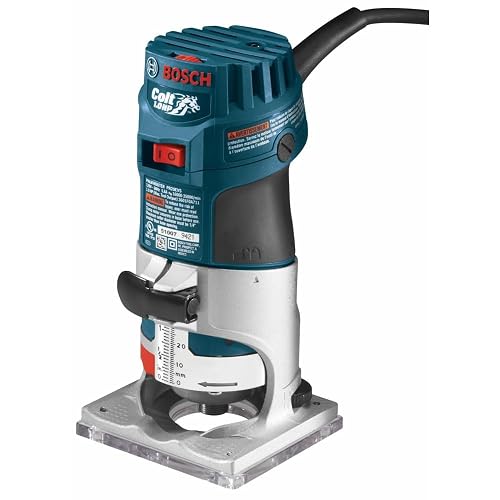 TOP CHOICEBest for small kitchensBosch PR20EVS Colt 1.0 HP Variable-Speed Palm RouterView on Amazon
- 3
 TOP CHOICEBest for bench-mounted edge workDEWALT DWP611 Fixed Base Router, 1-1/4 HPView on Amazon
- 4
 Best for plunge cutsMakita RP2301FC 3-1/4 HP Plunge Router with Variable SpeedView on Amazon
- 5
 Best budget pickSKIL RT1323-00 10 Amp Fixed Base Corded RouterView on Amazon
- 6
 Best compact kitMakita RT0701CX3 1-1/4 HP Compact Router KitView on Amazon
Our Top Picks
Quick Comparison
| Product | Best for | Key feature |
|---|---|---|
| Bosch 1617EVSPK Combination Router | Versatile shops doing both plunge and edge work | Interchangeable plunge and fixed bases |
| Bosch PR20EVS Colt Palm Router | Small kitchens and one-handed trim work | Light, compact body with soft start |
| DEWALT DWP611 Fixed Base Router | Router table and edge profiling | Variable speed trigger |
| Makita RP2301FC Plunge Router | Mortises, dadoes and stopped grooves | Plunge base with variable speed |
| SKIL RT1323-00 Fixed Base Router | Beginners and light occasional use | Budget-friendly fixed base |
| Makita RT0701CX3 Compact Router Kit | Trim work, small projects and portability | Compact kit with accessories |
Bosch 1617EVSPK 2.25 HP Combination Plunge- and Fixed-Base Router
Wood router for woodworking with exclusive quick-clamp system, variable speed, microfine depth & Constant Response Circuitry Bosch 1617EVSPK 2.25 HP Combination Plunge- and Fixed-Base Router
Best for: Overall versatility across plunge and fixed-base work
This is the choice for woodworkers who want one router that can handle nearly every job in a general wood shop, from dadoes and mortises to edge profiles and template work. Owners often mention the quick-clamp system and the fine depth adjustment as the features they rely on most.
Key specs
- 2.25 HP motor
- Variable speed control
- Plunge and fixed-base configuration
- Quick-clamp base system
- Microfine depth adjustment
Pros
- Handles both plunge and fixed-base tasks with one motor
- Microfine depth adjustment makes final passes more precise
- Constant Response Circuitry helps keep speed steady under load
Cons
- Heavier than palm routers, which makes one-handed work harder
- Higher-powered kits can be more than a beginner needs
Bottom line: The best fit for a shop that wants a single router for most projects and plans to switch between plunge and edge work regularly.
Bosch PR20EVS Colt 1.0 HP Variable-Speed Palm Router
Small router with 5.6 amp motor, soft start, constant response circuitry, ergonomic grip, rugged aluminum base, 1/4" collet BOSCH PR20EVS Colt 1.0 HP Variable-Speed Palm Router, Quick-Clamp System
Best for: Small kitchens and one-handed trim work
This palm router suits woodworkers with limited bench space or those who mostly do edge trimming, laminate work and small decorative profiles. Its light body is easy to guide along narrow stock.
Key specs
- 5.6 amp motor
- Variable speed
- Soft start
- 1/4-inch collet
- Quick-clamp system
Pros
- Light and easy to control with one hand
- Soft start reduces kickback at startup
- Ergonomic grip is comfortable for extended edge work
Cons
- Lower horsepower limits use with large bits
- Not ideal for deep plunge cuts
Bottom line: A strong pick for hobbyists and small-space shops that mainly trim edges and do light profiling.
DEWALT DWP611 Fixed Base Router, 1-1/4 HP
DEWALT Router, Fixed Base, 1-1/4 HP, 7.7-Amp, Variable Speed Trigger, Corded (DWP611)
Best for: Router table and edge profiling
A fixed-base router like this one is a natural fit for mounting in a router table, where the bit height is set from below and the tool stays put. It works well for panel edges, rounds and roman ogee profiles.
Key specs
- 1-1/4 HP, 7.7-amp motor
- Variable speed trigger
- Fixed base
- Corded operation
Pros
- Fixed base suits router table mounting
- Variable speed trigger gives control over different bit sizes
- Compact enough for mid-size edge jobs
Cons
- Not designed for plunge cuts without a separate base
- Lower horsepower than full-size plunge models
Bottom line: Best for woodworkers building a router table or doing a lot of edge profiling on panels and frames.
Makita RP2301FC 3-1/4 HP Plunge Router with Variable Speed
Makita RP2301FC 3-1/4 HP* Plunge Router, with Variable Speed
Best for: Mortises, dadoes and stopped grooves
This plunge router is aimed at joinery work where you need to lower the bit into the stock at a controlled depth. It suits cabinetmakers and furniture builders who cut a lot of mortises and dadoes.
Key specs
- 3-1/4 HP motor
- Variable speed
- Plunge base
- Corded operation
Pros
- Plunge action makes mortises and stopped grooves practical
- Higher horsepower handles larger bits with less strain
- Variable speed supports a range of wood densities
Cons
- Heavier and bulkier than palm or compact routers
- Overkill for light trim and small decorative work
Bottom line: The right choice for joinery-focused shops where plunge cuts are a regular part of the work.
SKIL RT1323-00 10 Amp Fixed Base Corded Router
SKIL 10 Amp Fixed Base Corded Router —RT1323-00
Best for: Beginners and light occasional use
This budget-oriented fixed-base router suits someone starting out with edge profiles, small grooves and occasional shaping. It covers the basics without asking for a large investment in accessories.
Key specs
- 10 amp motor
- Fixed base
- Corded operation
Pros
- Budget-friendly entry into fixed-base routing
- Straightforward controls suit beginners
- Fixed base works in a router table
Cons
- Fewer advanced features than premium models
- Not built for heavy daily production use
Bottom line: A sensible starting point for beginners who want to learn routing without spending heavily.
Makita RT0701CX3 1-1/4 HP Compact Router Kit
Makita RT0701CX3 1-1/4 HP* Compact Router Kit
Best for: Trim work, small projects and portability
A compact kit is useful for woodworkers who carry tools between job sites or who need a light router for small pieces, picture frames and trim. The included accessories add value for those getting started.
Key specs
- 1-1/4 HP motor
- Compact body
- Kit configuration with accessories
Pros
- Compact and easy to carry
- Kit format includes accessories to start working right away
- Suits small projects and detail trim
Cons
- Limited power for large bits and deep cuts
- Not the best choice for heavy production work
Bottom line: A good pick for portable use and small-scale trim and detail work.
Buying Guide
Base Style: Fixed, Plunge or Palm
A fixed base sits flat on the workpiece and suits edge profiling and router table work. A plunge base lets you lower a spinning bit into the wood, which is essential for mortises, dadoes and stopped grooves. Palm routers are small and light, good for trim and one-handed control. Match the base to the cuts you make most often.
Good picks for this: Bosch 1617EVSPK, Makita RP2301FC
Motor Power
Horsepower affects how well a router handles large bits and deep passes. Light palm routers in the 1 HP range suit trim and small profiles. Larger motors in the 2 to 3 HP range are better for big panel-raising bits and heavy stock. More power is not always better if you rarely use large bits, since heavier tools are harder to control.
Good picks for this: Bosch PR20EVS, Bosch 1617EVSPK
Variable Speed Control
Variable speed lets you match rpm to bit diameter and wood species. Larger bits generally need slower speeds to avoid burning and chatter. Look for a dial or trigger that gives smooth, repeatable settings. Soft start is a useful extra, since it reduces the jolt when the motor spins up.
Good picks for this: DEWALT DWP611, Makita RP2301FC
Depth Adjustment and Precision
Accurate depth setting makes a visible difference in joinery. Fine adjustment, such as a microfine dial, helps you set exact depths for dadoes and rabbets. Coarse adjustment is fine for rough work but makes repeatable joints harder. Check how the depth stop locks and whether it holds position under vibration.
Good picks for this: Bosch 1617EVSPK, Makita RP2301FC
Collet Size and Bit Compatibility
Most routers use 1/4-inch or 1/2-inch collets, and some accept both with included inserts. A 1/4-inch collet limits you to smaller bits, which are sufficient for trim and light work. A 1/2-inch collet holds larger, more stable bits and is better for heavy profiling. Confirm the collet size before buying bits.
Good picks for this: Bosch PR20EVS, SKIL RT1323-00
Size, Weight and Control
Weight matters more than most beginners expect. A heavy router is stable on a table but tiring for freehand edge work. A palm router is easy to guide with one hand but less stable with big bits. Think about whether you will use the tool mainly on a bench, in a table or handheld, and choose accordingly.
Good picks for this: Makita RT0701CX3, Bosch PR20EVS
Durability and Build Quality
Routers run at high speed and produce vibration, so housing construction and motor cooling affect how long a tool lasts. Look for solid aluminum bases and sealed or well-ventilated motors. Brand reputation and warranty coverage also matter, since owners often report that routers used daily benefit from strong service support.
Good picks for this: DEWALT DWP611, Bosch 1617EVSPK
Care and Maintenance
Keep collets clean and free of resin, check that the motor brushes are in good condition, and tighten the base screws regularly. Clean the fan vents to prevent overheating. Always unplug the router before changing bits. Following the manufacturer’s maintenance schedule extends tool life.
Good picks for this: Makita RP2301FC, SKIL RT1323-00
FAQ
What is the best router for a beginner?
A fixed-base router in the 1 to 1.25 HP range is a common starting point. It handles edge profiles, small grooves and basic shaping without requiring complex setup. The SKIL RT1323-00 and Makita RT0701CX3 kit fit this need.
Do I need a plunge router for woodworking?
You need a plunge base for cuts that start in the middle of a board, such as mortises, stopped dadoes and sliding dovetails. For edge work and router table use, a fixed base is enough.
What horsepower router do I need?
For light trim and small profiles, 1 to 1.25 HP is adequate. For large panel-raising bits, heavy stock or frequent use, 2 to 3 HP is more comfortable. Larger bits generate more load, so higher power reduces strain on the motor.
Can I use a router in a router table?
Yes, but use a fixed-base model, since the router mounts upside down in the table and needs a stable base. Plunge routers can be used in a table with a suitable insert, though fixed-base models are more common for this setup.
What collet size should I look for?
A 1/2-inch collet is better for larger bits and reduces vibration. A 1/4-inch collet is adequate for small bits and trim work. Many routers include both collet sizes, so check what is supplied.
How do I use a router safely?
Wear eye and hearing protection, secure the workpiece, feed the router against the rotation of the bit, and never remove the guard from a router table. Let the bit stop completely before setting the tool down. Consult the owner’s manual for model-specific instructions, and seek guidance from a professional woodworking instructor if you are new to the tool.
Is a palm router good for woodworking?
A palm router is good for trim, laminate and light edge profiling, especially in tight spaces. It is less suited to heavy work or large bits, where a larger fixed or plunge router gives more stability.
Conclusion
For most shops, the Bosch 1617EVSPK offers the widest range of uses, covering both plunge and fixed-base work. Hobbyists with limited space may prefer the Bosch PR20EVS palm router for trim and edge work. Woodworkers building a router table should look at the DEWALT DWP611, while joinery-focused builders will find the Makita RP2301FC well suited to mortises and dadoes. The SKIL RT1323-00 is a reasonable entry point for beginners, and the Makita RT0701CX3 kit fits portable, small-project use. Matching the base style and motor power to your most common cuts will do more for your results than any single specification.
Sources
- Workplace safety guidance on power tool hazards, guarding and personal protective equipment (osha.gov)
- Consumer product safety information on power tools and recalls (cpsc.gov)
- Standards and measurement resources relevant to precision woodworking (nist.gov)
Related reading
- 5 Best Wood Working Router Bits for Every Project (2026)
- Wood by Wright Router Plane Compared: 7 Best Picks for 2026
- Wood Surfacing Router Bit Review: Is It Worth It? (2026)
About Claire Whitaker
Claire Whitaker is part of our editorial team and reviews and edits our woodworking guides, checking product details against manufacturer specifications and owner feedback.