 By Claire Whitaker
Updated November 2026
A wood router collet extension lets you reach deeper into a workpiece, cut tall profiles, or engrave with a longer bit than your router’s stock collet allows. Choosing one comes down to shank size, collet compatibility, extension length, and how rigid the extension feels when the bit is spinning. The picks below were selected from the product listings and specifications, along with common owner feedback about fit, runout and bit retention. This is a research-based comparison, not a set of hands-on test results.
Our top picks at a glance
- 1
 TOP CHOICEBest overallRouter Collet Extension Chuck Adapter (1/4 Inch Shank)View on Amazon
- 2
 TOP CHOICEBest for 1/2-inch shank bitsRouter Collet Extension with 1/2-inch ColletView on Amazon
- 3
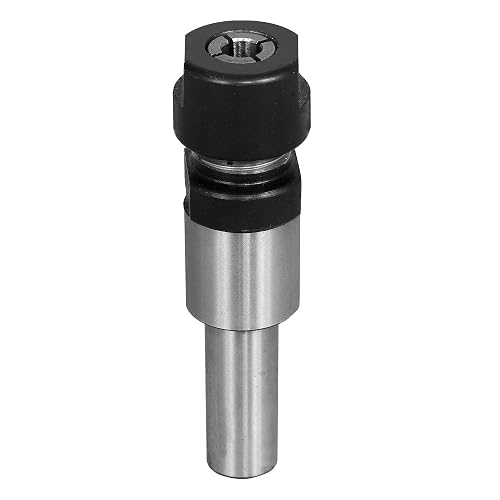 TOP CHOICEBest for step-down setups1/2" to 1/4" Router Bit Collet Extension and ReducerView on Amazon
- 4
 Best for long reachYakamoz 1/2 Inch Shank Router Collet Extension ChuckView on Amazon
- 5
 Best budget pickCollet Extension Rod Chuck Holder (Oumefar 1/4 Inch Shank)View on Amazon
- 6
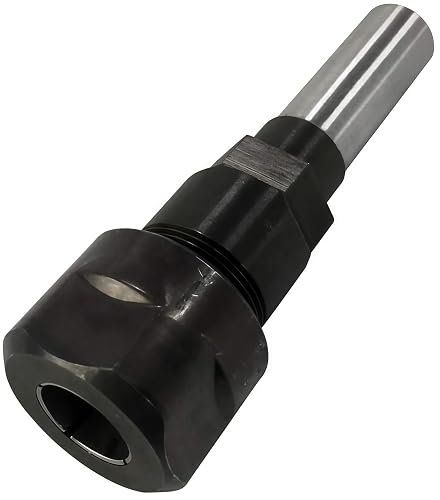 Best for engraving1/2 Inches Shank Router Bit Collet Extension RodView on Amazon
Our Top Picks
Quick Comparison
| Product | Best for | Key feature |
|---|---|---|
| Router Collet Extension Chuck Adapter (1/4 Inch Shank) | Light engraving and small bits | Accepts 1/4-inch shank bits |
| Router Collet Extension with 1/2-inch Collet | Standard 1/2-inch shank work | Matches a 1/2-inch collet directly |
| 1/2″ to 1/4″ Collet Extension and Reducer | Mixed bit collections | Reduces 1/2-inch to 1/4-inch shank |
| Yakamoz 1/2 Inch Shank Collet Extension Chuck | Deep cuts | Adds about 2-1/4 inches of reach |
| Oumefar Collet Extension Rod Chuck Holder | Budget engraving work | 90 mm hard alloy rod for 1/4-inch shank |
| 1/2 Inches Shank Collet Extension Rod | Engraving and fine detail | Hard alloy rod for 1/2-inch shank |
Router Collet Extension Chuck Adapter (1/4 Inch Shank)
1/4 Inch Shank Router Collet Extension Chuck Adapter Milling Cutter Chuck Extender Rod Woodworking Milling Bits Rod Holder, Accepts 1/4 Inch Shank Bits
Best for: Overall use with 1/4-inch shank bits and general milling work
This extension suits woodworkers who mostly run smaller bits and want a simple way to add reach to a router or milling spindle. The listing describes it as a chuck extender that accepts 1/4-inch shank bits.
Key specs
- Accepts 1/4-inch shank bits
- Designed as a chuck extender for milling and engraving
Pros
- Adds reach for deeper cuts
- Works with common 1/4-inch shank bits
- Straightforward design with few parts to manage
Cons
- Limited to 1/4-inch shank bits
- Extension rigidity depends on how tightly it seats
Bottom line: A solid choice if your bit set is mostly 1/4-inch shank and you want one extension for general milling.
Router Collet Extension with 1/2-inch Collet
ROUTER COLLET EXTENSION WITH 1/2’’ COLLET
Best for: Standard 1/2-inch shank bits on a router with a 1/2-inch collet
This is a direct-fit extension for woodworkers whose router uses a 1/2-inch collet and who run larger bits for profiles, dadoes and edge work.
Key specs
- Includes a 1/2-inch collet
- Intended for 1/2-inch shank bits
Pros
- Matches the most common router shank size
- Simple to understand and install
- Good for tall profile cuts
Cons
- Not suited to 1/4-inch shank bits without a reducer
- Owners often recommend checking collet fit before ordering
Bottom line: Best for shops where the router already runs 1/2-inch bits and the goal is simply more reach.
1/2″ to 1/4″ Router Bit Collet Extension and Reducer
1/2" to 1/4" Router Bit Collet Extension and Reducer. Extends The Router
Best for: Mixed bit collections that include both 1/2-inch and 1/4-inch shanks
If you own a range of bits and want one extension that handles both sizes, this reducer-style design fits the job. It is aimed at woodworkers who switch between shank sizes often.
Key specs
- Reduces 1/2-inch shank to 1/4-inch shank
- Functions as a collet extension
Pros
- Handles both 1/2-inch and 1/4-inch bits
- Reduces the number of extensions you need
- Useful for smaller-diameter bit work
Cons
- Adding a reducer can slightly reduce rigidity
- Requires careful seating to limit runout
Bottom line: A practical pick for shops with mixed shank sizes that want flexibility over maximum stiffness.
Yakamoz 1/2 Inch Shank Router Collet Extension Chuck
Yakamoz 1/2 Inch Shank Router Collet Extension Chuck, Accepts 1/2-inch Shank Bits, Extends The Router Bit an Additional 2-1/4"
Best for: Deep cuts that need extra bit length
This extension is designed to add a noticeable amount of reach, making it a good fit for deep grooves, tall raised panels and jobs where a standard bit barely clears the workpiece.
Key specs
- Accepts 1/2-inch shank bits
- Extends the bit by about 2-1/4 inches
Pros
- Significant added reach for deep work
- Matches the common 1/2-inch shank size
- Helpful for tall profile and panel cuts
Cons
- Longer extensions increase vibration if the setup is loose
- Take light passes to reduce deflection
Bottom line: The right choice when reach is the main problem and you run 1/2-inch shank bits.
Collet Extension Rod Chuck Holder (Oumefar 1/4 Inch Shank)
Collet Extension Rod Chuck Holder for Woodworking Engraving Milling Cutter Trimming Oumefar Router Collet Extension 1/4 Inch Shank Chuck Holder Hard Alloy 90mm
Best for: Budget engraving and light milling with 1/4-inch shank bits
This hard alloy rod is aimed at hobbyists and sign makers who need a simple extension for fine detail work. The listing notes a 90 mm length.
Key specs
- Accepts 1/4-inch shank bits
- Approximately 90 mm length
- Hard alloy construction
Pros
- Useful for engraving and fine detail
- Simple, lightweight design
- Budget-friendly option for occasional use
Cons
- Limited to 1/4-inch shank bits
- Owners often report that fit and runout vary by router
Bottom line: Suited to occasional engraving work where cost matters more than heavy-duty rigidity.
1/2 Inches Shank Router Bit Collet Extension Rod
1/2 Inches Shank Router Bit Collet Extension, Hard Alloy Router Collet Extension Rod, Black Engraving Machine Extension Rod for 1/2-Inch Shank Bits
Best for: Engraving and fine detail work with 1/2-inch shank bits
This hard alloy extension rod targets sign makers and detail carvers who want a 1/2-inch shank option for engraving passes.
Key specs
- Accepts 1/2-inch shank bits
- Hard alloy rod construction
Pros
- Matches 1/2-inch shank bits for engraving
- Compact design for fine work
- Works with common engraving bit sets
Cons
- Less suited to heavy stock removal
- Check concentricity carefully before use
Bottom line: A good match for engraving-focused shops using 1/2-inch shank bits.
Buying Guide
Shank size compatibility
Measure your bit shank before you buy. Most routers use 1/4-inch or 1/2-inch collets, and an extension must match the collet on the router and the shank on the bit. A reducer lets one extension cover both sizes, but it adds a joint that can affect rigidity.
Good picks for this: Router Collet Extension with 1/2-inch Collet; 1/2″ to 1/4″ Router Bit Collet Extension and Reducer
Extension length and reach
Decide how far you need to reach before shopping. Longer extensions allow deeper cuts but increase the distance the bit has to be held over, which can magnify vibration. Choose the shortest extension that does the job.
Good picks for this: Yakamoz 1/2 Inch Shank Router Collet Extension Chuck; Router Collet Extension Chuck Adapter (1/4 Inch Shank)
Rigidity and runout
Every added joint is a potential source of runout. Look for hard alloy or steel construction and read owner comments about wobble. Seat the bit fully and tighten the collet evenly to keep the bit centered.
Good picks for this: 1/2 Inches Shank Router Bit Collet Extension Rod; Router Collet Extension with 1/2-inch Collet
Intended use case
Engraving, light milling and deep profile cutting place different demands on an extension. Fine engraving tolerates a slender rod, while heavy profile work needs a stiffer, shorter setup.
Good picks for this: Collet Extension Rod Chuck Holder (Oumefar 1/4 Inch Shank); 1/2 Inches Shank Router Bit Collet Extension Rod
Build quality and materials
Hard alloy and steel bodies resist deflection better than softer materials. Check the listing for the material and be cautious of very light, thin designs for heavy cuts.
Good picks for this: 1/2 Inch Shank Router Collet Extension Chuck Adapter (1/4 Inch Shank); Yakamoz 1/2 Inch Shank Router Collet Extension Chuck
Care and maintenance
Keep collet surfaces clean and free of sawdust and resin. Store the extension in a dry place and inspect it for scoring before each use. Replace worn collets rather than forcing a bit into a damaged seat.
Good picks for this: Router Collet Extension with 1/2-inch Collet; 1/2″ to 1/4″ Router Bit Collet Extension and Reducer
FAQ
What is a wood router collet extension used for?
It adds length between the router collet and the bit, giving you reach for deep cuts, tall profiles, and engraving that a standard bit cannot reach.
Will a collet extension reduce cut quality?
It can, if the joint is loose or the extension is too long for the cut. Take lighter passes, keep the setup tight, and check runout before cutting finished work.
Can I use a 1/4-inch shank bit in a 1/2-inch collet extension?
Not directly. You need a reducer or an extension designed for 1/4-inch shanks. Mismatched sizes can cause the bit to slip or wobble.
How far can I safely extend a router bit?
There is no single safe number. Keep the extension as short as the job allows, since longer reach increases vibration. Follow your router and bit manufacturer’s guidance on maximum bit projection.
Do I need a reducer or a separate extension?
If you run both 1/2-inch and 1/4-inch shanks, a reducer-style extension saves swapping parts. If you only run one shank size, a dedicated extension is usually more rigid.
How do I check for runout?
Mount the bit, spin it slowly by hand, and watch the tip against a fixed reference. Excess wobble means the collet is dirty, damaged, or the joint is not seated fully.
Conclusion
For most shops running 1/2-inch shank bits, a direct-fit 1/2-inch collet extension offers the simplest path to more reach. If you switch between shank sizes, the reducer-style option covers both. Deep profile work benefits from the longer Yakamoz design, while the 1/4-inch chuck adapter and the Oumefar rod suit lighter milling and engraving on a budget. Match the extension to your most common bit size and cut type, then test runout before committing to finished stock.
Sources
- Workplace guidance on safe operation of power tools and rotating cutting equipment (osha.gov)
- Consumer safety information on power tool hazards and safe use practices (cpsc.gov)
- Measurement and standards resources relevant to tolerance and runout checks (nist.gov)
Related reading
- Wood Router 1/2 Inch Collet: How to Choose, Set Up and Use It (2026)
- Wood by Wright Router Plane Kit: Setup, Use and Tips for Beginners
- Wood by Wright Router Plane Compared: 7 Best Picks for 2026
- Wood Working Router Price Guide: What You'll Pay in 2026
- Wood Trim Router Bits (2026): Straight Vs. Flush Trim, Which Should You Choose?
- Wood Thread Cutting Router Bit: How to Cut Threads in Wood with a Router
- Wood Surfacing Router Bit Review: Is It Worth It? (2026)
- Wood Sign Making with a Router: A Step-by-Step Guide for Beginners
About Claire Whitaker
Claire Whitaker is part of our editorial team and reviews and edits our woodworking guides, checking product details against manufacturer specifications and owner feedback.