By Audrey Hayes
Updated November 2026
The cost of table saw models varies widely, and the sticker price is only part of the story. This guide explains the features that drive the cost of table saw purchases, how to match a saw to your projects, and where to save or spend so you end up with a tool you will actually use.
Step 1: Decide What Kind of Table Saw You Need
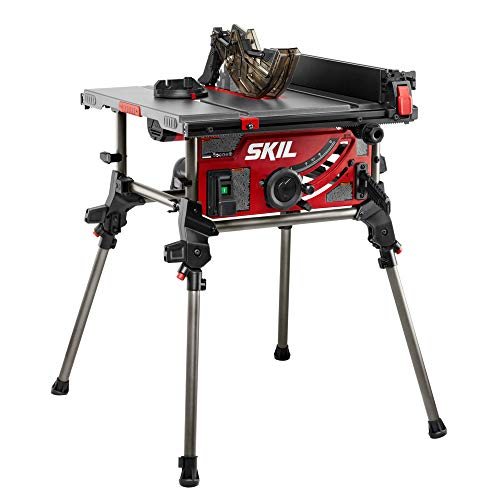
Start with the work you plan to do. A jobsite saw with a folding stand is built for portability and typically sits at the lower end of the price range. A cabinet saw is heavier, has a fully enclosed base, and is designed for daily production work, which puts it at the higher end. Hybrid saws fall between the two, offering a cabinet-style trunnion system with a lighter build.
Shopping for one? See our guide: Harbor Freight Tools Table Saw: 6 Best Picks Compared (2026).
If you mostly build furniture and cabinets from plywood and hardwood, a midrange hybrid or contractor saw usually covers the job. For a deeper look at saw categories, see 7 Best Table Saws for Woodworking Projects Compared (2026).
Step 2: Compare the Factors That Affect Cost
Most of the difference between saws comes down to a few components:
- Motor and power: Larger motors handle thick hardwood and dado cuts without bogging down. Manufacturers usually list horsepower or amperage, and higher ratings generally raise the price.
- Fence system: A rack-and-pinion fence that locks square and stays parallel is a significant upgrade over a basic clamp fence.
- Table size and extension wings: Larger cast-iron or aluminum tables with wings support full sheets of plywood, which adds to the cost.
- Trunnion and alignment: Precision trunnions hold blade angle and height settings, which matters most for bevel and joinery work.
- Safety features: Blade-brake systems and riving knives add to cost. Brands that include them often explain the added value on their product pages.
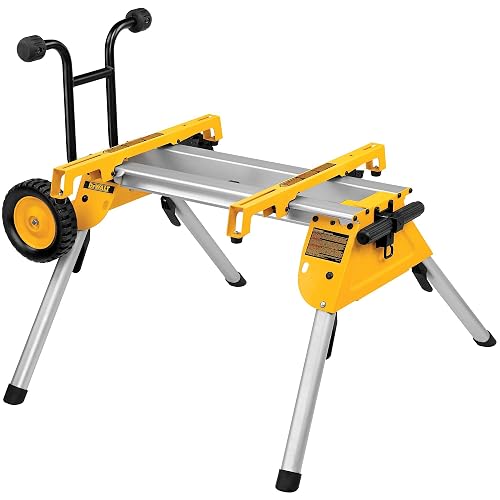
- Stand and mobile base: Some saws are sold with a stand, while others require you to buy one separately. Check whether the listed price includes it.
Step 3: Budget for Accessories and Setup
The saw is rarely the only purchase. Plan for these costs before you commit:
- A quality combination blade for ripping and crosscutting, plus a thin-kerf option if your saw calls for one.
- A dado set if you plan to cut grooves or rabbets for shelving and drawers.
- Featherboards, push sticks and a miter gauge with a stop block for repeatable cuts.
- Outfeed support, which is often underestimated and matters for safe handling of long boards.
- Dust collection hookup or a shop vacuum adapter, and a dedicated 120V or 240V circuit depending on the motor.
Check the official manufacturer site for current model details, included accessories and recommended electrical requirements before buying.
Step 4: Set a Realistic Overall Budget
Add the saw, stand, blade, accessories and any electrical work together before deciding. A saw that looks affordable can end up costing more once you account for a fence upgrade or a dust collection setup. Buying a midrange saw with a good fence often delivers more useful accuracy than a budget saw with add-ons bolted on later.
| Saw type | Typical use | Main cost drivers |
|---|---|---|
| Jobsite / portable | Framing, site work, light shop use | Lightweight build, folding stand |
| Hybrid | Home shop furniture and cabinets | Trunnion quality, fence, motor |
| Cabinet | Daily production and heavy stock | Cast iron, enclosed base, large motor |
Common Mistakes to Avoid
- Comparing sticker prices without checking whether a stand, blade or fence is included.
- Skipping outfeed support, then struggling with large panels.
- Forgetting the electrical requirements of a larger motor.
- Buying a dado set before you know whether you need one.
- Choosing a saw too small for the sheet goods you plan to cut.
Recommended Gear
A reliable combination blade is one of the most cost-effective upgrades you can make to any table saw. View on Amazon
A set of push sticks and a featherboard improves safety and consistency on every rip cut. View on Amazon
A sturdy outfeed table extends your workspace and supports long boards. View on Amazon
FAQ
What is the biggest factor in the cost of a table saw?
The motor, fence and the saw’s overall build quality usually account for most of the difference. Cabinet saws with cast-iron tables and precision trunnions sit at the top of the range.
Is a jobsite table saw enough for woodworking projects?
For small to medium projects and sheet goods, a well-tuned jobsite saw can work well. Heavier production work usually benefits from a hybrid or cabinet saw.
Should I budget for accessories when buying a table saw?
Yes. Blades, a dado set, push sticks and outfeed support are often necessary for safe, accurate work, so include them in your total plan. Consult the manufacturer’s manual for recommended accessories and electrical needs.
Conclusion
The cost of table saw models depends mainly on motor power, fence quality, table size and build precision. Decide what kind of projects you will build, then budget for the saw, stand, blade and safety accessories together. A well-chosen midrange saw often serves a home shop better than the cheapest option on the shelf.
Related reading
- Table for Dewalt Table Saw: A Step-by-Step Guide to Building One (2026)
- Miter Saw Table Plans: A Step-by-Step Guide to Building a Stable Stand (2026)
Ready to choose one?
About Audrey Hayes
Audrey Hayes is part of our editorial team and reviews and edits our woodworking guides, checking product details against manufacturer specifications and owner feedback.