 By Audrey Hayes
Updated November 2026
Garrett Wade has sold woodworking tools for decades, and its catalog covers everything from marking gauges and planes to benches and shop accessories. This guide explains what garrett wade woodworking tools are, how to judge whether a given tool suits your work, and how to build a sensible shopping list without buying more than you need. By the end, you will know which categories to prioritize and what to check before you order.
What Garrett Wade Woodworking Tools Cover
Garrett Wade is best known as a catalog and online retailer of fine tools for woodworkers, metalworkers and general craftspeople. Its woodworking offering leans toward hand tools, precision measuring and layout tools, clamps, sharpening supplies and workholding, with a smaller selection of power tools and accessories. That focus makes it a useful place to shop if you are building a hand-tool-centric shop or want well-made measuring and marking tools. If you are looking for a full line of stationary machines, you will likely need to supplement with other suppliers.
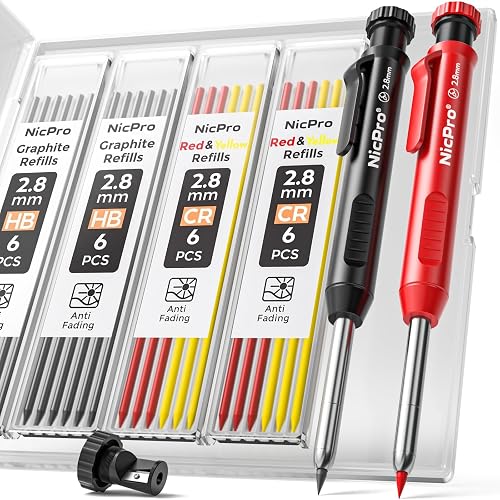
Shopping for one? See our guide: The Long Dark Woodworking Tools: 3 Best Picks for Long Reach Work (2026).
Before you buy, decide which work you actually plan to do. A shop built around joinery and finish carpentry needs different tools than one focused on turning or outdoor furniture. Our overview of Woodworking Tools for Beginners: What to Buy First is a good starting point for setting priorities.
Step 1: Define Your First Projects
Start with two or three projects you want to finish in the next six months. A simple wall shelf, a small box and a stool each demand a slightly different toolset, and writing them down keeps you from buying tools you will never use. For a shelf you need accurate stock preparation and reliable square cuts. For a box you need precise joinery and layout. For a stool you need shaping and joinery that holds up to weight.
Step 2: Build a Core Hand Tool Kit
Hand tools remain the most common reason people shop with specialty catalogs. Many woodworkers find that a small, well-chosen set covers most of their early work. The essentials typically include:
- A block plane for end grain, chamfers and fitting small parts.
- A smoothing plane for flattening and final surface prep.
- A marking gauge for consistent layout lines.
- A combination square and a try square for checking 90-degree and 45-degree work.
- A set of chisels, ideally in at least three widths (roughly 1/4″, 1/2″ and 3/4″).
- Back saw or dovetail saw for joinery.
- Clamps in at least two sizes, plus a set of bar or pipe clamps for glue-ups.
For guidance on which hand tools carry the most weight in a traditional shop, see Traditional Woodworking Hand Tools: 7 Essentials for Your First Shop (2026).
Checking Hand Tool Quality
When you evaluate any hand tool, look at the following:
- Flatness of the sole on planes. Manufacturers typically specify a tolerance, and a sole that is close to flat saves hours of flattening.
- Steel type and hardness. Many premium plane irons and chisels list a hardness rating; harder steel holds an edge longer but can be harder to sharpen.
- Handle fit and balance. A chisel or saw that feels right in your hand reduces fatigue and improves control.
- Adjustment mechanisms. On planes and gauges, smooth, backlash-free adjustment makes fine setup far easier.
Step 3: Choose Measuring and Layout Tools Carefully
Accuracy starts with layout. Measuring tools deserve more attention than they usually get, because a small error repeated across a project adds up quickly. Look for rules with clearly printed graduations, squares that remain true after handling, and marking gauges with a sharp, adjustable point. Our guide to Woodworking Measuring Tools: Rules, Tapes and Squares explains which measuring types suit which tasks.
Check Your Squares
Test a square by drawing a line along a straight edge, flipping the square and drawing again. If the lines do not overlap, the square is out. Repeat the test on both faces of the blade. This simple check takes under a minute and catches errors before they reach your workpiece.
Step 4: Add Power Tools Only When You Need Them
Power tools speed up stock preparation and repetitive cuts, but they also raise the stakes for safety. If your catalog order includes a table saw, router or sander, take time to learn the basics of guards, featherboards, push sticks and dust collection. Our overview of Woodworking Power Tools: What Each Does and Safety Basics covers the core machines and the habits that keep them safe.
Power tools also benefit from accessories. A set of quality router bits, a sanding system with a range of grits, and a dust collection hose can improve results more than upgrading the machine itself.
Sequence Your Power Tool Purchases
| Stage | Typical focus | Why it comes at this point |
|---|---|---|
| Early | Hand planes, marking tools, clamps | Low setup demands and strong skill building |
| Middle | Sander, drill, jigsaw or router | Speeds up common tasks you already do by hand |
| Later | Table saw, jointer, planer | Requires space, dust control and experience with setup |
Step 5: Plan Workholding and Sharpening
Good tools perform poorly when the work moves or the edges are dull. Bench vises, holdfasts and a stable bench matter as much as the planes themselves. Sharpening supplies, including stones or a sharpening system, keep hand tools working as intended. Plan for these early, because they make every other tool more useful.
Common Mistakes
- Buying a full set before you know your projects. A focused kit beats a large set you rarely open.
- Skipping sharpening. A premium chisel will still tear wood if it is dull.
- Ignoring shop space. A table saw needs room for infeed and outfeed. Measure before you order.
- Assuming every tool needs to be top shelf. Spend more on the tools that touch the work most often, such as planes, chisels and measuring tools.
- Forgetting safety gear. Eye and hearing protection and a dust mask should be part of the plan from day one.
Tips for Getting the Most From Your Purchases
- Read the manufacturer’s specifications for each tool, including sole flatness, blade thickness and maximum capacities.
- Compare what you need with used options before buying new, especially for larger machines. See Used Woodworking Shop Tools: A Buyer's Guide to What to Check First for a checklist.
- Pick up a few inexpensive practice boards and test each tool on scrap before committing to a project.
- Keep a notebook of setup settings, such as plane mouth width and blade projection, so you can repeat good results.
Recommended gear
These supplies pair well with a catalog-based hand tool kit and help the tools perform at their best:
- Sharpening stones. A combination waterstone set keeps plane irons and chisels sharp. View on Amazon
- Combination square. A reliable square is central to layout accuracy. View on Amazon
- Bar clamps. Two or more bar clamps make glue-ups and frame assembly far more manageable. View on Amazon
FAQ
What are garrett wade woodworking tools best known for?
The brand is best known for hand tools, precision measuring and layout tools, clamps and sharpening supplies, with a smaller range of power tools and accessories.
Are garrett wade woodworking tools good for beginners?
They can be, especially for someone building a hand-tool kit. Beginners should choose a focused set of tools tied to their first projects rather than buying everything at once.
Which tool should I buy first?
A combination square and a marking gauge are inexpensive in terms of impact and improve layout accuracy immediately. A block plane and a set of chisels are common next steps.
Do I need power tools to start woodworking?
No. Many woodworkers complete projects with hand tools alone. Power tools speed up work but are not required for learning the fundamentals.
How do I know if a plane is flat enough?
Check the sole with a straightedge and a light source. Look for gaps under the straightedge. Manufacturer specifications often list an acceptable tolerance.
How often should I sharpen my chisels and plane irons?
Sharpen whenever the edge stops cutting cleanly or begins to tear the grain. Frequency depends on the wood and the amount of work you do.
Should I buy used or new?
Used tools can offer good value if they are in sound condition. Check for cracks, rust, warped soles and worn adjustment parts before buying. For power tools, consider a professional inspection if you are unsure of their condition.
Where can I find current product details and availability?
Check the official retailer website for current specifications, availability and ordering details, and contact the seller directly if you have questions about a specific model.
Conclusion
Garrett Wade’s woodworking range is strongest in hand tools, measuring and layout, and workholding. Start by defining your first projects, build a focused hand tool kit, and add power tools as your skills and space allow. Careful checking of quality, combined with consistent sharpening and good safety habits, will get more from any tool you choose.
Related reading
- Hand Tools for Woodworking: Uses, Safety and Sharpening
- Woodworking Tools for Cabinet Making: 7 Best Picks for Accurate Builds (2026)
Ready to choose one?
About Audrey Hayes
Audrey Hayes is part of our editorial team and reviews and edits our woodworking guides, checking product details against manufacturer specifications and owner feedback.