 By Audrey Hayes
Updated November 2026
Vintage woodworking tools for sale can be a strong buy if you know what to look for. This guide walks you through where to find them, how to inspect planes, saws and chisels for usable condition, how to judge a fair seller, and what to bring to the table before you pay. By the end, you will have a repeatable process for filtering listings and picking tools you can actually put to work.
What Counts as a Vintage Woodworking Tool
Collectors and users use the word loosely, but for buying purposes it helps to split the market into three groups. Antique tools are generally older than about a century and are often sold more for collecting than for daily use. Vintage tools, the group most hobbyists shop for, typically come from the mid-twentieth century and are often built with good steel and solid castings. Modern reproductions are new tools styled to look old, and they are a common source of confusion in listings.
Knowing which group a tool belongs to sets your expectations. A vintage smoothing plane from a well-known American maker may be ready to use after a tune-up. A tool sold as “antique” with heavy rust and missing parts may cost more in time than it saves.
Where to Find Vintage Tools
Listings for vintage woodworking tools for sale show up in several places, and each has trade-offs in selection, condition and return options.
- Online marketplaces and auction sites. These offer the widest selection. Read seller feedback, ask for close-up photos and confirm the return policy before bidding.
- Estate sales and tool auctions. Estate lots often include whole shops, sometimes with a single good tool hidden among less useful items. Arrive early for inspection if the sale allows it.
- Flea markets and garage sales. Prices are often negotiable, and you can examine tools in person. Expect more rust and more missing parts.
- Specialty dealers. Some dealers focus on restored or sharpened tools. They charge more but usually disclose condition in detail.
- Woodworking clubs and swap meets. Members often sell tools they have used and maintained, and they can answer questions about a tool’s history.
Before you buy from any source, check the official site or contact the seller directly for current sale dates, pickup locations and any fees, since these details change often.
How to Inspect a Vintage Tool Before Buying
Good photos and a clear description are a start, but you should check the tool closely. Use this sequence for each piece you consider.
Check the Body and Castings
- Look for cracks, especially around screw holes, the tote or handle joint, and the mouth of a plane.
- Sight along the sole of a plane or the face of a block to spot warping or twist.
- Check that the frog and the body fit together without rocking. Loose or pitted frogs are harder to correct.
- On saws, look at the handle, the back and the plate for cracks, bends or heavy rust in the teeth gullets.
Check the Blade or Iron
- Confirm the iron is original or a correct replacement. Mismatched irons often mean a tool has been modified.
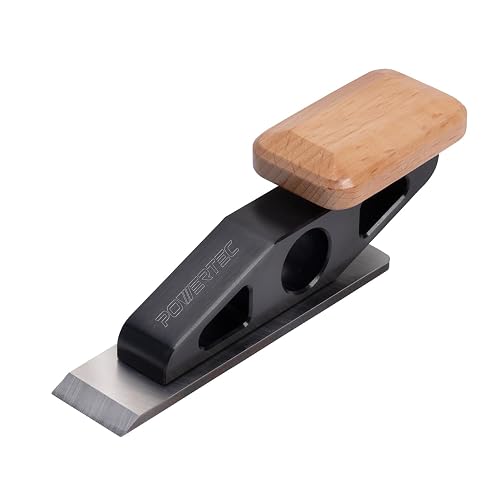
- Measure the remaining thickness. A plane iron worn to a thin sliver may not be worth restoring.
- Look for chips, deep pitting and hairline cracks along the cutting edge.
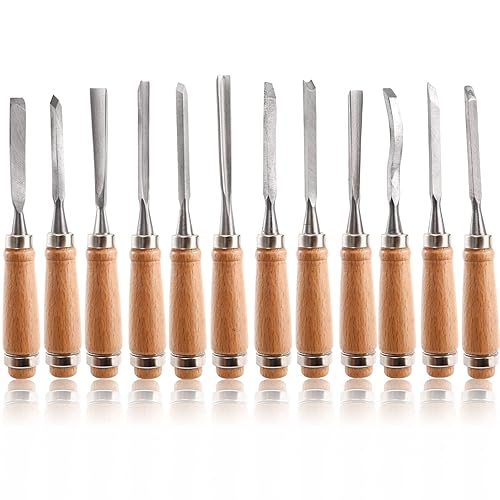
- For chisels, check the tang and the shoulder where the blade meets the handle.
Check Adjustment Mechanisms
- On planes, test the depth and lateral adjustment. They should move smoothly and hold their setting.
- On combination squares and marking gauges, check that the blade is square to the head and that the locking screw works.
- On braces and drills, spin the chuck and check for wobble. Make sure the ratchet engages cleanly.
Spotting Reproductions and Fakes
Reproductions are a common problem, especially for planes and marking tools. Look for these warning signs:
- Stamps that look too sharp or too evenly spaced for the era.
- Castings with a glossy, uniform finish instead of the grain of older iron.
- Parts that are too clean for the age claimed in the listing, with no wear on the sole or adjusting parts.
- Wording like “in the style of” or “vintage-look,” which signals a new tool.
When in doubt, ask the seller for additional photos and compare them against reference books or maker’s catalogs. Collectors’ forums are useful for this, and many members will identify a tool from a single clear picture.
Comparing Condition Grades
Sellers use different terms for condition, so a standard table helps you compare offers.
| Condition | What It Usually Means | Best For |
|---|---|---|
| Restored | Cleaned, sharpened, tuned and often refinished | Daily use, first-time buyers |
| Good, unrestored | Original finish, light surface rust, working parts | Users who want to do their own tune-up |
| Fair | Heavy rust or wear, possibly missing a part | Restoration projects, learning tool repair |
| Collectible or as-found | Original, often unused or lightly used, sold for authenticity | Collectors, display |
Practical Checklist Before You Buy
- Confirm the maker and model, and whether the tool is complete.
- Photograph the sole, iron, stamps and any cracks you see.
- Ask about storage history, especially for tools kept in damp garages or barns.
- Check the return policy and whether the seller accepts returns for misdescribed items.
- Bring a straightedge, a small magnifier and a flashlight if you plan to inspect in person.
- Set a maximum amount you are willing to spend, including the cost of sharpening and any missing parts.
Common Mistakes
- Buying for rarity alone. A rare tool that does not work well is often less useful than a common one in good shape.
- Ignoring restoration costs. Replacing a broken knob, a lost screw or a missing iron can add up quickly.
- Trusting old photos. Ask for current pictures of the exact tool you will receive.
- Overlooking rust depth. Surface rust is easy to clean. Deep pitting on a sole or blade may be permanent.
- Skipping the sharpening plan. An old chisel or plane iron needs a reliable way to get sharp. Plan for this before you buy.
Tips for Getting Good Value
Buy from sellers who describe condition in specific terms, such as “sole flat within 0.002 inch” or “iron ground, not chipped,” rather than vague phrases. Watch for listings that have been up for a while, since sellers may accept a lower offer. Consider buying a lot of tools if you need several types, but inspect each one individually, because lots often hide a few badly damaged pieces. For a deeper look at evaluating used gear, see Used Woodworking Shop Tools: A Buyer's Guide to What to Check First and Second Hand Woodworking Tools: How to Buy Used Gear Without Regret.
If you are just starting out, a single well-tuned smoothing plane and a set of sharp chisels will serve you better than a large collection of tools you cannot use. Woodworking Tools for Beginners: What to Buy First lays out a sensible starting order. For a shortlist of used options suited to new woodworkers, 6 Best 2nd Hand Woodworking Tools for Sale: Buyer's Guide (2026) is a useful companion.
Recommended gear
A few basic items make inspecting and restoring vintage tools much easier.
- A steel straightedge. Lay it across a plane sole or saw plate to check for twist and hollows. A machinist’s straightedge is the usual choice. View on Amazon
- Sharpening stones. A combination waterstone set lets you flatten and sharpen old irons and chisels. View on Amazon
- A flattening plate. A diamond lapping plate helps true a warped sole or stone before you start sharpening. View on Amazon
- A magnifier with a light. Useful for reading stamps and spotting hairline cracks. View on Amazon
FAQ
Are vintage woodworking tools as good as new ones?
Many vintage tools, especially planes and saws from well-regarded makers of the mid-twentieth century, are built with high-quality steel and castings. They often need cleaning, sharpening and tuning to perform at their best.
How can I tell if a plane is a reproduction?
Look for stamps that appear too crisp, a glossy and uniform casting finish, and a lack of wear on the sole and adjusting parts. Comparing photos with a maker’s catalog or a collectors’ forum can confirm the model.
Is it safe to use very old tools?
Check for cracks, loose handles and damaged teeth or blades before use. Replace any part that is unsafe. If you are unsure about a repair, consult a professional restorer.
What condition should a beginner look for?
A good unrestored or restored tool with a flat sole, a sound iron and smooth adjustments is the best starting point. Avoid fair-condition tools until you have the skills to repair them.
Should I buy tools I need to restore?
Restoration can be rewarding, but only if you have the time and tools. Factor in the cost of replacement parts and sharpening supplies before you commit.
How do I clean rust off an old tool?
Light surface rust can be removed with fine abrasives or a rust remover made for tools, followed by a protective coat of paste wax or oil. Heavy pitting usually cannot be fully removed without losing metal.
Are auction prices a good guide to value?
Auction results show what buyers were willing to pay on a given day, but they vary with condition, rarity and competition. Compare several sold listings for the same model and condition.
Where can I learn more about identifying tools?
Collectors’ associations, woodworking forums and maker’s reference books are reliable sources. Check the official site of any organization for current membership details.
Conclusion
Finding good vintage woodworking tools for sale comes down to knowing where to look, inspecting each tool methodically and being honest about the work you are willing to do. Focus on the sole, the iron, the adjustments and any cracks before you pay. Start with a few useful tools in good condition, and build your collection as your skills grow.
Related reading
Ready to choose one?
About Audrey Hayes
Audrey Hayes is part of our editorial team and reviews and edits our woodworking guides, checking product details against manufacturer specifications and owner feedback.