 By Colin Foster
Updated November 2026
Anyone looking for free rocking chair plans woodworking resources usually wants the same thing: a set of drawings, a cut list and clear steps that lead to a chair that rocks smoothly and holds up for years. Free plans vary a lot in quality, so the four options below were chosen by the criteria that matter most in practice: how complete the plan is (dimensions, materials and joinery), how realistic the build is for a hobbyist, whether the plan covers finishing and assembly, and how consistently owners describe the instructions as usable. None of these were built or tested by our staff; this is a research-based comparison.
Our top picks at a glance
- 1
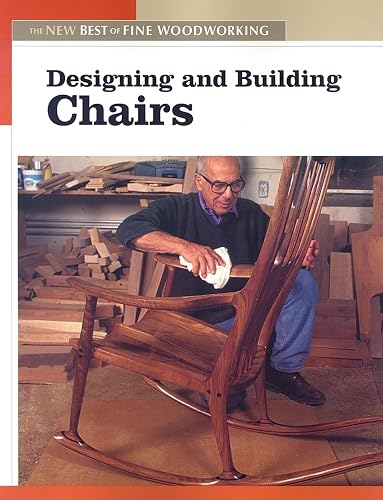 TOP CHOICEBest overallDesigning and Building Chairs: The New Best of Fine WoodworkingView on Amazon
- 2
 Best for outdoor buildsClassic Adirondack Chair: DIY Woodworking Plans with Cut List, MateriaView on Amazon
- 3
 Best for learning joineryWoodworking: Step by Step Guide, DIY Plans & Projects BookView on Amazon
- 4
 Best budget pick2×4 Outdoor Chair Woodworking Plan: Step-by-Step DIY Plans, Cut List,View on Amazon
Our Top Picks
Quick Comparison
| Product | Best for | Key feature |
|---|---|---|
| Designing and Building Chairs: The New Best of Fine Woodworking | Builders who want chair design principles | Collected articles on chair construction |
| Classic Adirondack Chair: DIY Woodworking Plans with Cut List | Outdoor rocking-style seating projects | Full cut list and dimensions |
| Woodworking: Step by Step Guide, DIY Plans & Projects Book | Beginners building their first project | Step-by-step technique coverage |
| 2×4 Outdoor Chair Woodworking Plan | Simple builds from common lumber | Materials list built around 2×4 stock |
Designing and Building Chairs: The New Best of Fine Woodworking
Designing and Building Chairs: The New Best of Fine Woodworking
Best for: Overall chair construction knowledge and design judgment
This is a compilation drawn from the long-running Fine Woodworking magazine, aimed at builders who already have basic skills and want to understand how chairs are proportioned, joined and balanced. It is less a single set of step-by-step plans than a reference that helps you read and adapt any rocking chair plan you find.
Key specs
- Format: printed book collecting magazine articles
- Subject: chair design and construction across several styles
Pros
- Explains the reasoning behind seat angle, rake and leg splay
- Useful for modifying free plans to suit your body size
- Covers joinery that holds up under repeated rocking stress
Cons
- Not a dedicated rocking chair plan with a ready cut list
- Assumes some prior woodworking experience
Bottom line: Pick this if you want to understand chair design well enough to build and adjust rocking chairs confidently, rather than following one drawing exactly.
Classic Adirondack Chair: DIY Woodworking Plans with Cut List, Materials, Dimensions and Step-by-Step Instructions
Classic Adirondack Chair: DIY Woodworking Plans with Cut List, Materials, Dimensions and Step-by-Step Instructions
Best for: Outdoor seating with a relaxed, reclined profile
Adirondack-style chairs are a close cousin to rocking designs and are a common starting point for builders who want a comfortable outdoor chair. The plan format, with materials, dimensions and assembly steps in one document, is the kind of package most builders look for when they search for free rocking chair plans woodworking projects.
Key specs
- Format: digital plan with cut list, materials list and dimensions
- Style: classic Adirondack profile
Pros
- Cut list makes lumber purchasing straightforward
- Step-by-step order suits a weekend build
- Dimensions help you check fit as you go
Cons
- Adirondack chairs do not rock, so this is a stationary cousin rather than a true rocker
- Outdoor finishing and wood choice matter a great deal for longevity
Bottom line: A strong choice if you want a comfortable outdoor chair and are willing to adapt the base for rocking.
Woodworking: Step by Step Guide, DIY Plans & Projects Book
Woodworking: Step by Step Guide, DIY Plans & Projects Book (Woodworking Tips, Techniques, Tools and their Creators)
Best for: Learning joinery and technique before tackling a rocker
This general woodworking book is aimed at newer builders. It covers measuring, marking, cutting and joining, which are the skills a rocking chair depends on. It makes a sensible companion to any free plan you download.
Key specs
- Format: book with project instructions and technique guidance
- Scope: general woodworking, not chair-specific
Pros
- Good coverage of basic joints used in chair frames
- Helps you understand tool setup before starting
- Useful reference across many future projects
Cons
- Does not include a detailed rocking chair cut list
- Advanced builders may find the content introductory
Bottom line: Choose this if you are new to woodworking and want the fundamentals before you build a rocker from a free plan.
2×4 Outdoor Chair Woodworking Plan: Step-by-Step DIY Plans, Cut List, Materials List, Dimensions and Assembly Instructions
2×4 Outdoor Chair Woodworking Plan: Step-by-Step DIY Plans, Cut List, Materials List, Dimensions and Assembly Instructions for Building a Modern Outdoor Chair
Best for: Simple builds from inexpensive dimensional lumber
Plans built around 2×4 stock keep material costs and milling work low, which suits first-time builders. The plan format lists materials, dimensions and assembly so you can see the whole job before buying wood.
Key specs
- Format: digital plan with materials list and assembly instructions
- Material basis: standard 2×4 dimensional lumber
Pros
- Common lumber is easy to source at most home centers
- Minimal milling compared with hardwood plans
- Clear assembly sequence for a first project
Cons
- Dimensional lumber can be uneven, so checking and jointing stock takes time
- Rocking curves and joinery strength depend heavily on careful execution
Bottom line: The most approachable pick for a beginner who wants to start with inexpensive wood and a short build.
Buying Guide
Plan Completeness: Dimensions, Cut Lists and Materials
A usable free plan should give you overall dimensions, a cut list with lengths and quantities, and a materials list. Without these you will spend hours reverse-engineering the drawing. Look for plans that state the seat height, seat depth and rocker radius in numbers, not only in pictures.
Good picks for this: Classic Adirondack Chair plan; 2×4 Outdoor Chair plan
Rocker Geometry and Curve Layout
The rockers are what make the chair a rocker. Good plans show the arc radius or a full-size template and explain how the runners attach to the legs. Mismatched rocker curves cause a chair to tip or sit unevenly, so confirm the geometry before you cut.
Good picks for this: Designing and Building Chairs; Woodworking: Step by Step Guide
Joinery Strength Under Rocking Stress
Rocking motion loads the joints repeatedly, especially where the rockers meet the legs. Mortise-and-tenon, through-wedged tenons and drawbored joints tend to hold better than screws alone. Check whether a plan specifies glue, fasteners and joint types clearly.
Good picks for this: Designing and Building Chairs; Woodworking: Step by Step Guide
Wood Species and Lumber Grade
Hardwoods like oak and ash are common for rockers because they resist flex and wear. Softwood dimensional lumber is cheaper and easier to find but needs careful selection for straight grain. Your choice affects how the plan’s dimensions translate into real parts.
Good picks for this: 2×4 Outdoor Chair plan; Classic Adirondack Chair plan
Size and Fit for the Intended User
Seat height and depth should match the person who will sit in the chair. A seat that is too deep leaves no room for the back, and one that is too low makes getting up difficult. Measure your own thigh length and compare it with the plan dimensions before committing.
Good picks for this: Designing and Building Chairs; Classic Adirondack Chair plan
Use Case: Indoor or Outdoor
Indoor rocking chairs can use finishes and softer woods. Outdoor chairs need rot-resistant species or weather-appropriate finishes, and joints should allow for seasonal movement. Make sure the plan’s material choices match where the chair will live.
Good picks for this: Classic Adirondack Chair plan; 2×4 Outdoor Chair plan
Care, Finishing and Long-Term Durability
A rocking chair sees daily use. Plans that include finishing schedules, sealing steps and maintenance notes help the chair last. Expect to re-tighten fasteners and check glue joints periodically, especially on outdoor pieces.
Good picks for this: Woodworking: Step by Step Guide; Designing and Building Chairs
FAQ
Are free rocking chair plans woodworking projects good enough for beginners?
Many are. Beginner-friendly plans use common lumber, straight cuts and basic joinery. Start with a plan that includes a full cut list and assembly sequence, and practice your cuts on scrap before cutting final parts.
What wood is best for a rocking chair?
Oak, ash, maple and cherry are common hardwood choices because they resist flexing and wear. Pine and other softwoods work for practice or outdoor builds if you choose clear, straight-grained boards and protect them with finish.
How long does a rocking chair take to build?
Time depends on skill, tools and wood preparation. Many hobbyists spread a rocker across several weekends, with most of the time going to milling stock, cutting rocker curves and fitting joints.
Do I need special tools for a rocking chair?
You will need accurate measuring tools, a saw capable of straight crosscuts, a way to cut the rocker arcs (a jigsaw or bandsaw works), and clamps for glue-up. Joinery tools such as a router or mortiser make joints more precise but are not strictly required.
How do I know the rockers are shaped correctly?
Dry-fit the chair before glue-up and check that it rocks evenly and sits level on a flat floor. Compare the rocker curve to the plan template and adjust the arc gradually rather than removing too much wood at once.
Should I adapt a plan to my own body size?
Yes, within reason. Measuring your seat height and depth and adjusting the plan can improve comfort. Change one dimension at a time and recheck how the back and arm supports relate to the seat.
Conclusion
For a comprehensive reference to chair design, Designing and Building Chairs is the strongest foundation. For an outdoor seat with a complete cut list, the Classic Adirondack Chair plan is practical. Builders new to joinery should start with the general woodworking guide, and those who want simple lumber and minimal milling may find the 2×4 Outdoor Chair plan the most approachable. Whatever you choose, read the plan fully and dry-fit before gluing.
Sources
- Workplace and shop safety guidance for power tools and woodworking equipment (osha.gov)
- Product safety information relevant to furniture stability and tip-over hazards (cpsc.gov)
- Forest Products Laboratory research on wood properties, species selection and moisture movement (fpl.fs.usda.gov)
Related reading
- Woodworking Rocking Chair Plans: A Step-by-Step Build Guide
- Free Woodworking Chair Plans: A Step-by-Step Guide for Beginners
- Woodworking Toy Plans Free: 5 Builds You Can Make This Weekend
- Woodworking Rocking Horse Plans: A Step-by-Step Guide for Beginners
- Woodworking Plans Software Free: 5 Options for Drawing and Cut Lists (2026)
- Woodworking Patio Chair Plans: A Step-by-Step Build Guide
- Woodworking Jig Plans Free: 5 Shop Jigs You Can Build This Weekend
- Sideboard Plans Woodworking Free: 5 Steps to a Sturdy Build
About Colin Foster
Colin Foster is part of our editorial team and reviews and edits our woodworking guides, checking product details against manufacturer specifications and owner feedback.