 By Claire Whitaker
Updated November 2026
If you are wondering how does a wood router work for dummies, the short answer is that a router spins a bit at high speed to remove wood in a controlled way. The learning curve is easier when you have a clear, step-by-step reference. This list compares seven books that teach the basics well, judged on clarity for beginners, coverage of setup and safety, the number of practical jigs and projects, and how well each one covers the router table and related tools.
Our top picks at a glance
- 1
 TOP CHOICEBest overallHOW TO USE WOOD ROUTER: Master Safe Setup, Essential Bits, and Pro-QuaView on Amazon
- 2
 TOP CHOICEBest for absolute beginnersBeginner's Guide to the Router: Basic Jigs with Bonus Projects for theView on Amazon
- 3
 TOP CHOICEBest for edge work and joineryROUTER WOODWORKING: Clean Cuts, Simple Jigs, and Practical TechniquesView on Amazon
- 4
 Best for technique depthWoodworking With the Router: Professional Router Techniques and Jigs AView on Amazon
- 5
 Best for router tablesBill Hylton's Ultimate Guide to the Router TableView on Amazon
- 6
 Best for CNC routersComplete Guide to CNC Woodworking: Everything You Need to Know to Use Any CNC RouterView on Amazon
- 7
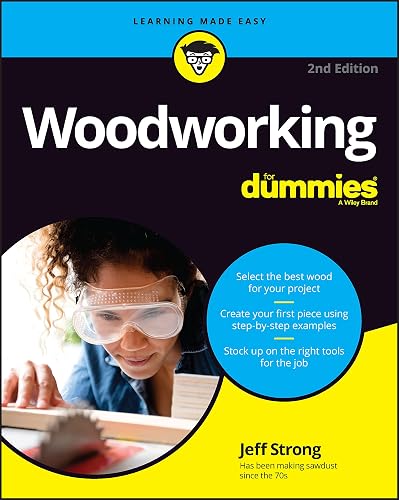 Best general referenceWoodworking For DummiesView on Amazon
Our Top Picks
Each pick below is a book, so the criteria are how well it explains the router from the ground up. Read the quick comparison first, then the detailed notes.
HOW TO USE WOOD ROUTER: Master Safe Setup, Essential Bits, and Pro-Quality Cuts Step by Step to Create
HOW TO USE WOOD ROUTER: Master Safe Setup, Essential Bits, and Pro-Quality Cuts Step by Step to Create Cleaner, Stronger, and More Professional Woodworking Projects
Best for: Beginners who want a direct, task-focused walkthrough of how a router actually cuts.
This title is aimed at people who have just bought a router and need to understand the parts, the bits and the safe way to start a cut.
Key specs:
- Focus on setup and safety
- Covers essential bits
- Step-by-step cutting instructions
Pros:
- Clear step-by-step structure
- Strong safety emphasis
- Practical bit guidance
Cons:
- Less depth on advanced jigs
- Limited coverage of tables
Bottom line: A strong first read if you want to know exactly how to set up and run a router safely.
Beginner’s Guide to the Router: Basic Jigs with Bonus Projects for the Most Versatile Tool in Your Shop
Beginner's Guide to the Router: Basic Jigs with Bonus Projects for the Most Versatile Tool in Your Shop (Fox Chapel Publishing) Wood Router Techniques, Jigs, and Step-by-Step Projects for Woodworkers
Best for: Readers who learn best by building simple projects alongside the theory.
This book pairs router basics with jigs and small projects, so each concept is tied to something you can make.
Key specs:
- Introductory router coverage
- Basic jig projects
- Bonus projects included
Pros:
- Project-driven learning
- Gentle introduction to jigs
- Good value for beginners
Cons:
- Projects are fairly basic
- Shallow on advanced techniques
Bottom line: The most approachable choice if you want to learn by doing small builds.
ROUTER WOODWORKING: Clean Cuts, Simple Jigs, and Practical Techniques for Confident Edge Work, Joinery
ROUTER WOODWORKING: Clean Cuts, Simple Jigs, and Practical Techniques for Confident Edge Work, Joinery, Templates, and Decorative Details
Best for: Woodworkers focused on edge profiles and joinery.
If your goal is clean edges, dados and joints, this title concentrates on the techniques that make those cuts repeatable.
Key specs:
- Edge work and profiles
- Joinery techniques
- Simple jig construction
Pros:
- Focused on practical cuts
- Useful joinery coverage
- Clear jig instructions
Cons:
- Narrower overall scope
- Less on router tables
Bottom line: Pick this if edge work and joinery are your main reasons for buying a router.
Woodworking With the Router: Professional Router Techniques and Jigs Any Woodworker Can Use
Woodworking With the Router: Professional Router Techniques and Jigs Any Woodworker Can Use
Best for: Readers ready to move past basics into professional technique.
This book suits someone who already understands the tool and wants deeper methods and reusable jigs.
Key specs:
- Advanced router techniques
- Reusable jig designs
- Professional-level methods
Pros:
- Depth beyond beginner material
- Reusable jig ideas
- Strong technique focus
Cons:
- Steeper for complete beginners
- Fewer step-by-step basics
Bottom line: Best as a second book once the fundamentals feel comfortable.
Bill Hylton’s Ultimate Guide to the Router Table
Bill Hylton's Ultimate Guide to the Router Table (Popular Woodworking)
Best for: Anyone planning to mount a router in a table.
A router table changes how you feed work and how safely you can make repeat cuts, and this guide covers that setup in detail.
Key specs:
- Router table focus
- Fence and setup guidance
- Table-based techniques
Pros:
- Deep router table coverage
- Useful setup advice
- Well organized by task
Cons:
- Assumes some handheld experience
- Narrow beyond the table
Bottom line: The right pick once you decide to build or buy a router table.
Complete Guide to CNC Woodworking: Everything You Need to Know to Use Any CNC Router
Complete Guide to CNC Woodworking: Everything You Need to Know to Use Any CNC Router (Fox Chapel Publishing) 19 Skill-Building Step-by-Step Projects from Clamps and Fixtures to Box Inlays
Best for: Readers interested in computer-controlled routing.
A CNC router runs the same basic cutting principle as a handheld router, but the machine is guided by software. This book explains that workflow.
Key specs:
- CNC router coverage
- Software workflow basics
- Machine setup overview
Pros:
- Covers computer-controlled routing
- Explains machine workflow
- Broad coverage of setup
Cons:
- Not about handheld routers
- Requires a CNC machine to apply
Bottom line: Only worth buying if you plan to work with a CNC machine rather than a handheld router.
Woodworking For Dummies
Woodworking For Dummies
Best for: Complete beginners who want the wider woodworking picture, including routers.
This general reference places the router among other shop tools, so you learn where it fits in a full woodworking workflow.
Key specs:
- Broad woodworking coverage
- Tool and safety overview
- Beginner-friendly format
Pros:
- Plain-English explanations
- Covers the whole shop
- Good starting reference
Cons:
- Router coverage is general
- Not deep on any single tool
Bottom line: A solid all-around starting point if you are new to woodworking overall.
Quick Comparison
| Product | Best for | Key feature |
|---|---|---|
| HOW TO USE WOOD ROUTER | Step-by-step beginners | Setup and safety focus |
| Beginner’s Guide to the Router | Learning by building | Basic jigs and projects |
| ROUTER WOODWORKING | Edge work and joinery | Practical cut techniques |
| Woodworking With the Router | Moving past basics | Advanced technique depth |
| Bill Hylton’s Ultimate Guide to the Router Table | Router table users | Table setup coverage |
| Complete Guide to CNC Woodworking | CNC machine owners | Computer-controlled workflow |
| Woodworking For Dummies | Full beginners | Whole-shop overview |
Buying Guide
Start with your skill level
If you are new, choose a book that explains how a router cuts, what the parts do and how to set the depth. Advanced titles assume that knowledge and can leave you stuck on basic steps.
Good picks for this: HOW TO USE WOOD ROUTER, Beginner’s Guide to the Router
Check the focus: handheld, table or CNC
Handheld routing, router tables and CNC machines use different workflows. Match the book to the tool you own or plan to buy, or you will spend time on methods that do not apply.
Good picks for this: Bill Hylton’s Ultimate Guide to the Router Table, Complete Guide to CNC Woodworking
Look for safety and setup coverage
Good router guides explain bit selection, feed direction, depth per pass and eye and hearing protection. These habits prevent most beginner accidents, so favor books that treat them seriously.
Good picks for this: HOW TO USE WOOD ROUTER, Woodworking For Dummies
Consider the projects and jigs
Books with simple jigs let you practice clean cuts on real pieces. Look for clear dimensions and step-by-step photos, since they make it easier to repeat the technique on your own stock.
Good picks for this: Beginner’s Guide to the Router, ROUTER WOODWORKING
Match the depth to your next step
If you already own a router and understand the basics, move to a technique-focused title. Reading advanced material too early wastes time, so choose the depth that matches where you are today.
Good picks for this: Woodworking With the Router, Bill Hylton’s Ultimate Guide to the Router Table
FAQ
How does a wood router work in simple terms?
A router holds a bit in a collet and spins it at high speed, often 16,000 to 25,000 RPM depending on the model. The spinning bit removes wood as you guide the base across the workpiece in a controlled direction.
Do I need a router table to start?
No. Most beginners start with a handheld router and a guide or edge fence. A router table is useful later for repeat cuts, but it is not required to learn the basics.
What is the most important safety rule with a router?
Always feed the work against the bit’s rotation, which is usually from right to left on the front of the bit. Secure the workpiece, wear eye and hearing protection, and take shallow passes rather than one deep cut.
Which book should a complete beginner read first?
Start with a title focused on setup and safety, such as HOW TO USE WOOD ROUTER. Then add a project-based book to practice the same techniques on real pieces.
Can a CNC book teach me handheld routing?
Not really. CNC books cover computer-controlled machines and software workflows, which differ from handheld routing. Choose a handheld-focused book if your tool is a portable router.
Conclusion
For most beginners asking how does a wood router work for dummies, the best starting point is a step-by-step guide that covers setup and safety, such as HOW TO USE WOOD ROUTER. Readers who learn by building should choose Beginner’s Guide to the Router. Those planning a router table or CNC machine should pick the matching specialist title. Once the basics feel natural, move to a technique-focused book.
Sources
- Workplace power tool and machine guarding rules that apply to routers in shops (osha.gov)
- Consumer safety information on power tool injuries and prevention (cpsc.gov)
Before you buy: helpful guides
About Claire Whitaker
Claire Whitaker is part of our editorial team and reviews and edits our woodworking guides, checking product details against manufacturer specifications and owner feedback.


