 By Colin Foster
Updated November 2026
Choosing bookcase plans fine woodworking books can offer depends on what you want to build and how much detail you need to build it well. Some readers want a single finished bookcase with clear joinery. Others want a broader design library covering cabinets, chests and tables. This list focuses on Fine Woodworking titles and related books that most clearly document bookcase and case-piece construction, based on their scope, the specifications they provide, their reputation among woodworkers and recurring owner feedback about clarity and usefulness.
Our top picks at a glance
- 1
 TOP CHOICEBest overallFurniture: Great Designs from Fine WoodworkingView on Amazon
- 2
 TOP CHOICEBest for case-piece beginnersSmall Woodworking ProjectsView on Amazon
- 3
 TOP CHOICEBest for complete skill-buildingThe Complete Book of Woodworking: Step-by-Step Guide to Essential WoodView on Amazon
- 4
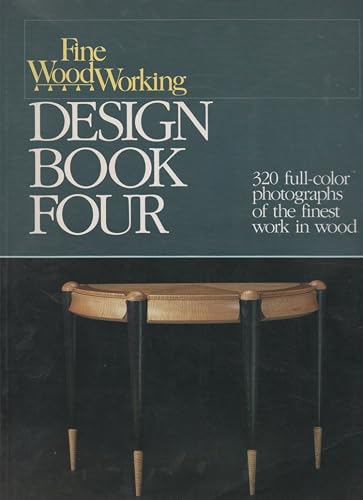 Best for design inspirationFine Woodworking Design Book FourView on Amazon
- 5
 Best for shop-based buildsFine Woodworking Best WorkbenchesView on Amazon
- 6
 Best for traditional joineryTraditional Furniture Projects (Best of Fine Woodworking)View on Amazon
- 7
 Best for storage-focused buildsFine Woodworking Chests and CabinetsView on Amazon
Our Top Picks
Quick Comparison
| Product | Best for | Key feature |
|---|---|---|
| Furniture: Great Designs from Fine Woodworking | Overall design reference | Wide range of furniture styles with project articles |
| Small Woodworking Projects | Beginners building their first case piece | Smaller-scale projects with simpler construction |
| The Complete Book of Woodworking | Learning core skills before a bookcase | Step-by-step fundamentals plus 40+ projects |
| Fine Woodworking Design Book Four | Designing your own bookcase | Focus on design decisions and proportions |
| Fine Woodworking Best Workbenches | Building a shop bench first | Workbench construction and joinery |
| Traditional Furniture Projects | Classic joinery and period styles | Traditional methods and furniture forms |
| Fine Woodworking Chests and Cabinets | Storage pieces with doors and drawers | Carcase construction for chests and cabinets |
Furniture: Great Designs from Fine Woodworking
Furniture: Great Designs from Fine Woodworking
Best for: Overall design reference for bookcase plans fine woodworking style builds
This is a good fit for woodworkers who want a broad collection of proven furniture designs from the Fine Woodworking archive. Owners often report that it helps them compare proportions across many pieces before committing to one build.
Key specs
- Collection of furniture projects drawn from Fine Woodworking articles
- Covers multiple furniture categories, including storage pieces
Pros
- Wide variety of designs in one volume
- Good for comparing proportions and styling
- Reflects the magazine’s editorial standards
Cons
- Not every piece is a bookcase, so you will need to filter
- Plans are not always presented as full cut lists
Bottom line: The best starting point if you want to see many designs before choosing a bookcase to build.
Small Woodworking Projects
Small Woodworking Projects: Weekend woodworking projects for boxes, stools, and other small builds. (Best of Fine Woodworking)
Best for: Beginners building their first case piece
This book suits builders who want manageable projects that teach box and case construction before tackling a full-height bookcase. Its smaller scope keeps material costs and build time low, which many new woodworkers find useful.
Key specs
- Focused on weekend-sized projects
- Includes boxes, stools and other small builds
Pros
- Good introduction to carcase basics
- Projects are short enough to finish quickly
- Clear focus on practical techniques
Cons
- Few full-size bookcase plans
- Limited coverage of large-scale joinery
Bottom line: Pick this if your first case build should be small and forgiving before you scale up to a bookcase.
The Complete Book of Woodworking: Step-by-Step Guide to Essential Woodworking Skills, Techniques, Tools and Tips (Landauer)
The Complete Book of Woodworking: Step-by-Step Guide to Essential Woodworking Skills, Techniques, Tools and Tips (Landauer) 40+ Easy-to-Follow Projects and Plans, 1,200+ Photos, and Carpentry Basics
Best for: Learning core skills before building a bookcase
This is a general reference for builders who need to learn fundamentals like sawing, joinery and finishing. Owners often mention its photo-heavy layout as helpful for following technique steps.
Key specs
- 40+ projects and plans in one volume
- Covers essential skills, tools and carpentry basics
Pros
- Strong coverage of basic techniques
- Many photos supporting each step
- Useful for mixed skill levels
Cons
- Projects are less refined than Fine Woodworking titles
- Bookcase content is only part of a broader book
Bottom line: A solid choice for beginners who want fundamentals first and a few storage projects along the way.
Fine Woodworking Design Book Four
Fine Woodworking Design Book Four
Best for: Designing your own bookcase
This volume is aimed at builders who want to understand why a piece looks right, not just how to make it. It suits woodworkers planning custom shelving with their own dimensions.
Key specs
- Focus on design principles and proportion
- Collection drawn from Fine Woodworking design coverage
Pros
- Strong discussion of proportion and form
- Helpful when adapting plans to a specific room
- Reflects serious design thinking
Cons
- Less focused on step-by-step construction
- Older volume, so some styles may feel dated
Bottom line: Choose this if you want to design a bookcase from scratch rather than follow a fixed plan.
Fine Woodworking Best Workbenches
Fine Woodworking Best Workbenches
Best for: Building a shop bench before a bookcase
Many builders start with a bench because a stable work surface makes case work easier. This book covers bench designs and the joinery behind them, which overlaps with bookcase construction. For another angle, check out 4 Best Park Bench Plans Woodworking Builders Uses (2026).
Key specs
- Focus on workbench design and construction
- Covers joinery and vise options
Pros
- Practical joinery instruction
- Useful for improving shop setup
- Consistent with Fine Woodworking quality
Cons
- Not a bookcase plan book
- Narrow scope for non-bench projects
Bottom line: A useful secondary buy if your shop needs a solid bench before you tackle case work.
Traditional Furniture Projects (Best of Fine Woodworking)
Traditional Furniture Projects (Best of Fine Woodworking)
Best for: Classic joinery and period styles
This collection suits builders drawn to traditional forms and hand-cut joinery. Its projects often rely on mortise-and-tenon and dovetail work, which carries over well to a bookcase with a face frame or solid case sides.
Key specs
- Collection of traditional furniture projects
- Emphasis on classic construction methods
Pros
- Strong joinery focus
- Good for period-style bookcases
- Curated from Best of Fine Woodworking
Cons
- Requires more hand-tool skill
- Not every project is a storage piece
Bottom line: Best for builders who want traditional joinery and are comfortable with more hand work.
Fine Woodworking Chests and Cabinets
Fine Woodworking Chests and Cabinets
Best for: Storage pieces with doors and drawers
Bookcases and cabinets share carcase construction, so this book is useful for builders who want to add doors, drawers or a glazed top to a shelving unit. Owners often mention its focus on case joinery as the main value.
Key specs
- Focus on chest and cabinet construction
- Covers carcase, doors and drawer work
Pros
- Directly relevant carcase techniques
- Good coverage of doors and drawers
- Useful for hybrid bookcase-cabinet designs
Cons
- Few open-shelf bookcase plans
- Drawer work may be beyond beginner level
Bottom line: A strong pick if your bookcase will include doors or drawers.
Buying Guide
Scope: bookcase-specific versus general furniture
Some books focus on one piece type, while others cover many styles. A bookcase-specific book gives you complete cut lists and build sequences. A general book gives you more design variety but may leave you filling gaps. Check the table of contents before buying.
Good picks for this: Furniture: Great Designs from Fine Woodworking, Fine Woodworking Chests and Cabinets
Skill level and prerequisite techniques
Bookcases use dadoes, rabbets, shelf pins and sometimes dovetails or mortise-and-tenon. Make sure the book explains these clearly for your level. If you are new to case work, start with a book that teaches basics before a full-height design.
Good picks for this: Small Woodworking Projects, The Complete Book of Woodworking
Dimensions and fit
Check whether the plans give overall dimensions, shelf spacing and depth. A 12-inch deep bookcase suits paperbacks, while larger books often need 10 to 12 inches of clear shelf depth. Plans that include a materials list with board feet are easier to adapt.
Good picks for this: Fine Woodworking Design Book Four, Traditional Furniture Projects
Joinery methods
Joinery determines how the bookcase handles weight over time. Dadoes and rabbets are common for shelves, while face frames add rigidity. Traditional books show hand-cut joints, which take more time but suit heirloom builds.
Good picks for this: Traditional Furniture Projects, Fine Woodworking Best Workbenches
Use case and load
A bookcase holding paperbacks has different needs than one holding heavy reference books or stereo gear. Plans that address shelf thickness, span limits and bracing are more useful for heavy loads. Consider whether the bookcase will be wall-anchored, which is a safety step for tall units.
Good picks for this: Fine Woodworking Chests and Cabinets, Furniture: Great Designs from Fine Woodworking
Durability and materials
Solid wood and plywood each behave differently with humidity and load. Books that discuss wood movement and material choice help you avoid cupping and sagging. Look for guidance on shelf sag and edge treatment.
Good picks for this: The Complete Book of Woodworking, Fine Woodworking Design Book Four
Finishing and care
Finishing protects the bookcase from moisture and wear. Books that include finishing schedules or surface prep notes save time. Plan for finish drying between coats and for finishing before assembly where practical. 6 Best Liquor Cabinet Plans Fine Woodworking Builders Uses (2026) goes further into this.
Good picks for this: Fine Woodworking Best Workbenches, Small Woodworking Projects
FAQ
What are bookcase plans fine woodworking books best known for?
Fine Woodworking titles are known for detailed construction information, clear drawings and projects that reflect the magazine’s editorial standards. Many include joinery detail that general plan books skip.
Do I need advanced skills to build a bookcase from these plans?
Not always. Simple bookcases use basic dadoes and rabbets that beginners can handle with a table saw and router. More complex designs with dovetails or mortise-and-tenon joinery require intermediate skills.
Are there free bookcase plans I can use instead?
Yes, many free plans exist online. Check that they include dimensions, a cut list and joinery details. Free plans vary widely in accuracy, so compare dimensions before cutting material.
What tools do I need for a fine woodworking bookcase?
Most builds require a table saw or circular saw, a router for dadoes and rabbets, a drill, clamps and a square. Hand tools help with fitting and finishing. Check each plan’s tool list before starting.
How do I choose between a designed book and a plan-specific book?
Design books help you understand proportion and make your own choices. Plan-specific books give you finished dimensions and cut lists. If you are new to design, start with a plan-specific book.
Can I adapt these plans to a different size?
Yes, but change the dimensions carefully. Adjust shelf spans, back panel size and bracing together. Recheck load limits for shelves when you increase width or depth.
Should a tall bookcase be anchored to the wall?
Yes. Tall bookcases can tip, especially when loaded at the top. Anchor the unit to a wall stud with appropriate hardware. Consult a professional if you have questions about your specific installation.
Conclusion
For most builders, Furniture: Great Designs from Fine Woodworking is the most useful starting reference for bookcase plans fine woodworking style builds. Beginners will benefit from Small Woodworking Projects or The Complete Book of Woodworking. Builders designing their own shelving should consider Fine Woodworking Design Book Four, while those who want doors and drawers will find Fine Woodworking Chests and Cabinets most relevant. Match the book to your skill level and the type of piece you plan to make.
Sources
- Furniture tip-over hazards and recommended anchoring for tall furniture (cpsc.gov)
- Wood properties, moisture movement and material behavior for woodworking (fs.usda.gov)
- Shop safety guidance for power tools and woodworking operations (osha.gov)
Related reading
- Woodworking Plans for Bookcases: A Step-by-Step Build With Cut List
- Wine Rack Plans Fine Woodworking: 7 Best Picks for Every Skill Level
- Jewelry Box Plans Fine Woodworking PDF: 6 Steps to Build One
- Grandfather Clock Plans Fine Woodworking: 5 Best Picks for Builders
- Free Bookcase Woodworking Plans: 4 Builds With Cut Lists
- Fine Woodworking Magazine Plans: How to Find, Judge and Build From Them
About Colin Foster
Colin Foster is part of our editorial team and reviews and edits our woodworking guides, checking product details against manufacturer specifications and owner feedback.