 By Audrey Hayes
Updated November 2026
If you are looking for the must have tools to start woodworking, the right starting list is smaller than most shop catalogs suggest. A beginner needs tools that mark accurately, cut cleanly, keep hands safe and teach the basic skills that every project depends on. The picks below were selected by comparing manufacturer specifications, brand reputation and the patterns owners commonly report in reviews, with a focus on usefulness for a first workbench rather than advanced machinery. Each choice covers a different part of the beginner workflow.
Our top picks at a glance
- 1
 TOP CHOICEBest overallRUITOOL Japanese Hand Saw 6 Inch Double Edge Ryoba Pull SawView on Amazon
- 2
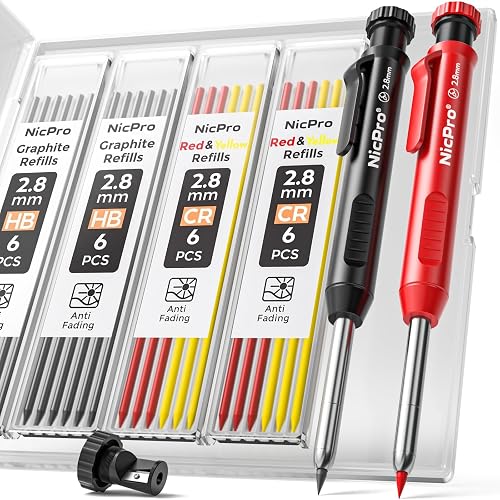 Best for marking layoutNicpro Mechanical Carpenter Pencil Set (Black, Red) With CaseView on Amazon
- 3
 Best for learning the craftThe Complete Book of Woodworking (Landauer)View on Amazon
- 4
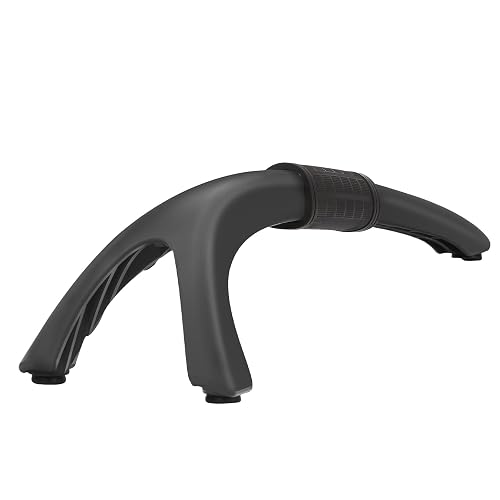 Best for shop safetyMiter Saw Hold Down StickView on Amazon
Our Top Picks
| Product | Best for | Key feature |
|---|---|---|
| RUITOOL Japanese Hand Saw Ryoba | Clean hand-cut joinery and flush cuts | Double-edge blade with 14 and 17 TPI teeth |
| Nicpro Mechanical Carpenter Pencil Set | Accurate layout on rough and finished stock | Deep-hole marker design with refills and sharpener |
| The Complete Book of Woodworking | Learning core skills and planning projects | 40+ projects, plans and over 1,200 photos |
| Miter Saw Hold Down Stick | Keeping hands clear of blades during cuts | Dedicated push and hold-down geometry |
RUITOOL Japanese Hand Saw 6 Inch Double Edge Ryoba Pull Saw
Flexible SK5 Blade, 14/17 Tpi Double-Edge Teeth, Beech Handle Wood Saw, Woodworking Tools for Hardwood, Softwood, Finish Cuts RUITOOL Japanese Hand Saw 6 Inch Double Edge Ryoba Pull Saw for Flush Cuts
Best for: Clean hand-cut joinery and flush cuts
This saw suits a beginner who wants to learn precise hand sawing before investing in power equipment. It is a practical first saw for trimming parts, cutting small stock and making fine cuts where a power saw would be overkill or hard to control.
Key specs
- Double-edge blade with 14 and 17 TPI teeth, per the listing
- 6-inch blade length
- Flexible SK5 steel blade with a beech handle
- Pull-stroke Ryoba design
Pros
- The pull stroke gives thin kerf and good control for fine work.
- Two tooth counts cover both rip-style and finish cuts.
- Compact size makes it easy to store and use at a bench.
Cons
- A 6-inch blade limits depth of cut on thicker stock.
- Pull-saw technique takes practice for beginners used to push saws.
Bottom line: Best for beginners who want an affordable, precise hand saw for joinery and trimming. Pick a larger saw if you mainly break down thick boards.
Nicpro Mechanical Carpenter Pencil Set (Black, Red) With Case
Deep Hole Marker Pencil Set Includes Sharpener and 26 Refills, Comfortable Grip, Heavy Duty Woodworking Tools for Architect Nicpro Mechanical Carpenter Pencils for Construction (Black, Red) With Case
Best for: Accurate layout on rough and finished stock
Layout is where most beginner errors start. A set of deep-hole carpenter pencils holds a fine line on rough lumber and keeps marks visible on dark wood, making it a sensible early purchase for anyone measuring and marking parts.
Key specs
- Deep-hole mechanical pencil design
- Includes sharpener and 26 refills, per the listing
- Black and red leads in a carrying case
Pros
- Mechanical advance keeps line width consistent without sharpening.
- Two colors help separate cut lines from reference marks.
- Included refills and sharpener mean fewer interruptions.
Cons
- Pencil lines are wider than a marking knife, so they are less precise for tight joinery.
- Lead can smear on oily or resinous woods unless marks are kept light.
Bottom line: A good pick for anyone who marks cut lines constantly. Pair it with a marking knife once joinery gets tighter.
The Complete Book of Woodworking (Landauer)
The Complete Book of Woodworking: Step-by-Step Guide to Essential Woodworking Skills, Techniques, Tools and Tips (Landauer) 40+ Easy-to-Follow Projects and Plans, 1,200+ Photos, and Carpentry Basics
Best for: Learning core skills and planning projects
Tools only matter when you know how to use them. This reference book walks through essential techniques and tools with step-by-step instructions, which helps a beginner avoid the costly mistakes that come from guessing at methods.
Key specs
- 40+ easy-to-follow projects and plans, per the listing
- More than 1,200 photos
- Covers carpentry basics, skills, techniques and tools
Pros
- Photos make technique steps easy to follow.
- Project plans give a practical path from first cuts to finished pieces.
- Covers foundational skills, not just a single project type.
Cons
- A large reference format is less convenient at the bench than a pocket guide.
- Some techniques are general, so you may need supplementary material for specific machines.
Bottom line: Ideal for a beginner who wants one comprehensive reference to build skills and choose a first project.
Miter Saw Hold Down Stick
Miter Saw Hold Down Stick, Woodworking Protection Tool, Keep Your Hands Away From Saws, Push Sticks for Wood, Woodworking Must Have (Black)
Best for: Keeping hands clear of blades during cuts
Every beginner shop eventually needs a way to hold short or awkward pieces away from the blade. A hold-down stick and push stick give you a controlled grip, which is one of the most important habits to build early.
Key specs
- Designed as a hold-down and push stick for saws, per the listing
- Black finish
Pros
- Keeps fingers well away from the blade on short cuts.
- Simple design with no setup required.
- Useful across several saws, not just a miter saw.
Cons
- It does not replace proper blade guards or a sound cutting setup.
- Fit varies with the size of the workpiece, so some cuts still need a jig.
Bottom line: A low-cost safety accessory that every beginner should keep within reach. It supports safe habits but does not replace training.
Buying Guide
Start with the core workflow: mark, cut, check, assemble
Choose tools that cover each step of a basic build. Marking tools set accuracy, cutting tools produce parts, and checking tools confirm square and fit. Missing any one of these makes results unpredictable.
Good picks for this: Nicpro Mechanical Carpenter Pencil Set, RUITOOL Japanese Hand Saw
Check blade or edge specifications
For saws, look at tooth count, blade length and whether the blade is flexible or rigid. Finer teeth suit clean finish cuts, while coarser teeth remove material faster. Match the blade to the wood you plan to cut most.
Good picks for this: RUITOOL Japanese Hand Saw
Consider size and fit for your bench
A small saw and a compact marking tool fit a limited bench and storage area. Larger tools cut thicker stock but take more room. Measure your bench space before buying, and favor tools that can be stored on a wall rack.
Good picks for this: RUITOOL Japanese Hand Saw, Miter Saw Hold Down Stick
Match the tool to your main use case
If your goal is furniture, prioritize joinery and layout tools. If you mainly build outdoor items like birdhouses or planters, focus on cutting and fastening. Choose the category that fits the projects you actually plan to make.
Good picks for this: The Complete Book of Woodworking, Nicpro Mechanical Carpenter Pencil Set
Evaluate durability and materials
Steel blade quality and handle materials determine how long a hand tool stays sharp and comfortable. Owners of hand saws frequently note that handle comfort affects long sessions, so check whether the grip suits your hand size.
Good picks for this: RUITOOL Japanese Hand Saw
Prioritize safety accessories early
Push sticks, hold-down sticks and blade guards reduce the risk of injury when cutting small or awkward pieces. Build the habit of using them from the first project, not after an incident.
Good picks for this: Miter Saw Hold Down Stick
Use reference material to build skill
A good book shortens the learning curve by showing correct technique and sequencing. Look for photos, step-by-step instructions and projects that match your skill level.
Good picks for this: The Complete Book of Woodworking
FAQ
What are the must have tools to start woodworking?
A practical starting set includes a saw for cutting, marking tools such as a pencil and square, a way to hold work safely, and a reference guide for technique. Power tools can come later, once you know which operations you repeat most.
Should a beginner buy hand tools or power tools first?
Many beginners start with hand tools because they teach control and layout skills without the setup and safety demands of machines. Power tools speed up repetitive work, so add them once you understand the basic cuts.
Do I need a Japanese saw to start woodworking?
No, but a fine-toothed pull saw is useful for precise cuts and trimming. Western-style handsaws also work well. Choose based on the cuts you make most often.
Why are marking tools important for beginners?
Accurate layout determines how well parts fit together. A clear, consistent line helps you cut to the mark and reduces the rework that frustrates new builders.
Is a hold-down stick necessary for safety?
A hold-down or push stick helps keep hands away from the blade, especially on small pieces. It supports safe practice but does not replace proper guards, training and careful technique. Consult a qualified instructor if you are unsure how to use a machine safely.
How do I know which tools to buy first?
Start with the tools needed for your first project. Make a cut list, identify each operation, and buy only what that project requires. Expand your kit as your projects grow more complex.
Conclusion
The must have tools to start woodworking are the ones that support marking, cutting, safe handling and learning. The Japanese-style pull saw suits clean hand cuts, the carpenter pencil set supports accurate layout, the reference book builds skill and project planning, and the hold-down stick reinforces safe habits. Choose the tool that matches your first project, then build the rest of your shop as your work becomes more ambitious.
Sources
- Workplace power tool and machine guarding standards that apply to shop safety (osha.gov)
- Consumer product safety information on power tool injuries and prevention (cpsc.gov)
- Measurement standards and guidance relevant to accurate layout and dimensioning (nist.gov)
Before you buy: helpful guides
Related reading
- 7 Best Must Have Tools for Woodworking Shop: Our Picks for 2026
- 6 Best Must Have Hand Tools for Woodworking Beginners (2026)
- 5 Best Tools to Start Woodworkings for Beginners (2026)
- Woodworking Power Tools: What Each Does and Safety Basics
About Audrey Hayes
Audrey Hayes is part of our editorial team and reviews and edits our woodworking guides, checking product details against manufacturer specifications and owner feedback.