 By Colin Foster
Updated November 2026
Woodworking with hand tools tools techniques & projects is a broad subject, and the books that cover it vary a lot in depth, focus and tone. Some walk a complete beginner through sharpening and marking out. Others assume you already own a bench and want advanced joinery or a specific tradition. This guide compares seven titles so you can match a book to your current skill and the kind of furniture or small work you want to build. The selection criteria were research-based: the scope of each book as listed by its publisher, how clearly its subject matter matches the hand-tool focus, the apparent skill level it targets, and recurring themes in owner feedback about clarity and usefulness of plans.
Our top picks at a glance
- 1
 TOP CHOICEBest overallWoodworking with Hand Tools: Tools, Techniques & ProjectsView on Amazon
- 2
 TOP CHOICEBest for complete beginners with a broad project libraryThe Complete Book of Woodworking (Landauer)View on Amazon
- 3
 TOP CHOICEBest for learning Japanese hand-tool basicsJapanese Woodworking for StartersView on Amazon
- 4
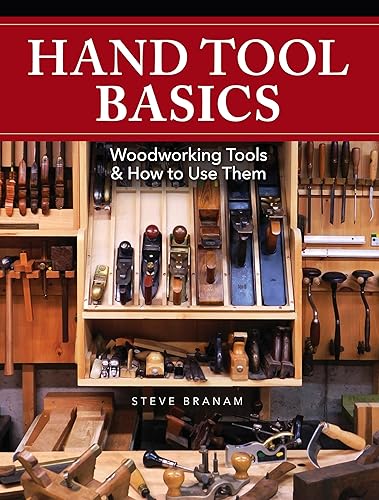 Best for a focused tool primerHand Tool Basics: Woodworking Tools and How to Use ThemView on Amazon
- 5
 Best for joinery without power toolsWoodworking Joinery by HandView on Amazon
- 6
 Best for master-carpenter methodsJapanese Woodworking and JoineryView on Amazon
- 7
 Best for tool history and traditionJapanese Woodworking Tools: Their Tradition, Spirit and UseView on Amazon
Our Top Picks
| Product | Best for | Key feature |
|---|---|---|
| Woodworking with Hand Tools: Tools, Techniques & Projects | Readers who want one all-round hand-tool guide | Covers tools, techniques and projects in a single volume |
| The Complete Book of Woodworking (Landauer) | Complete beginners wanting many projects | 40+ projects, 1,200+ photos, carpentry basics |
| Japanese Woodworking for Starters | Beginners drawn to Japanese hand tools | Simple joinery and traditional techniques for starters |
| Hand Tool Basics: Woodworking Tools and How to Use Them | Learning what each hand tool does | Tool-by-tool explanation of use |
| Woodworking Joinery by Hand | Builders focused on joinery | Japanese saws and jigs for hand-cut joints |
| Japanese Woodworking and Joinery | Intermediate readers wanting master methods | Techniques used by master carpenters in Japan |
| Japanese Woodworking Tools: Their Tradition, Spirit and Use | Readers interested in the history of the tools | Tradition and philosophy behind the tools |
Woodworking with Hand Tools: Tools, Techniques & Projects
Woodworking with Hand Tools: Tools, Techniques & Projects
Best for: A single all-round hand-tool guide that combines tool knowledge, technique and projects.
This book suits anyone who wants to work through the core of woodworking with hand tools in one place, without buying a separate primer for each stage. It is a practical starting point for hobbyists who plan to build small furniture and boxes entirely by hand.
Key specs:
- Subject: woodworking with hand tools
- Coverage: tools, techniques and projects
Pros:
- Pulls tools, technique and projects into one volume
- Matches the hand-tool focus closely with no power-tool drift
- Useful reference once you have a bench and basic kit
Cons:
- Project depth varies with reader skill, so advanced builders may want more
- Works best alongside a dedicated sharpening resource
Bottom line: The most direct choice for readers who want a single book covering the whole hand-tool workflow.
The Complete Book of Woodworking (Landauer)
The Complete Book of Woodworking: Step-by-Step Guide to Essential Woodworking Skills, Techniques, Tools and Tips (Landauer) 40+ Easy-to-Follow Projects and Plans, 1,200+ Photos, and Carpentry Basics
Best for: Complete beginners who want a large set of step-by-step projects with many photographs.
Readers new to the craft who learn best from pictures and plans will find the scale of this book helpful. It is broader than hand tools alone, so it works well for someone building a general foundation.
Key specs:
- 40+ easy-to-follow projects and plans
- 1,200+ photos
- Includes carpentry basics
Pros:
- Large number of projects for practice
- Photo-heavy layout helps visual learners
- Covers essential skills and tips in one place
Cons:
- Covers power tools as well, so hand-tool-only readers must filter content
- Less depth on any single hand-tool technique
Bottom line: A strong pick for beginners who want many projects and do not mind a mixed-tool approach.
Japanese Woodworking for Starters
Japanese Woodworking for Starters: A Practical Guide to Japanese Woodworking: Learn Hand Tools, Simple Joinery, and Traditional Techniques to Create Beautiful Projects from Scratch
Best for: Beginners drawn to Japanese hand tools and simple traditional joinery.
This title is aimed at people starting from scratch who want to learn the Japanese approach to hand-tool work. It suits readers who plan to build small projects without a large machine shop.
Key specs:
- Focus: Japanese hand tools and simple joinery
- Aimed at starters building projects from scratch
Pros:
- Introduces Japanese tools in a beginner-friendly way
- Covers simple joinery suitable for early projects
- Clear focus on hand tools only
Cons:
- Narrower scope than general woodworking books
- Readers wanting Western furniture plans may need another source
Bottom line: A good first step for those who want to start with Japanese hand tools and joinery.
Hand Tool Basics: Woodworking Tools and How to Use Them
Hand Tool Basics: Woodworking Tools and How to Use Them
Best for: Learning what each hand tool does and how to use it correctly.
This book fits readers who are still deciding which tools to buy or who have a few tools and want to use them properly. It focuses on the tools themselves rather than large project builds.
Key specs:
- Focus: woodworking tools and their use
- Tool-by-tool approach
Pros:
- Clear focus on the function of each tool
- Good companion when setting up a first hand-tool kit
- Concise scope for quick reference
Cons:
- Fewer full projects than broader guides
- Readers wanting detailed joinery will need another title
Bottom line: Ideal for readers who want to understand their tools before building.
Woodworking Joinery by Hand
Woodworking Joinery by Hand: Innovative Techniques Using Japanese Saws and Jigs
Best for: Builders who want to master hand-cut joinery using Japanese saws and jigs.
Anyone whose main interest is joinery rather than general furniture making will find this book directly relevant. It suits intermediate readers who already have basic skills.
Key specs:
- Focus: hand-cut joinery
- Uses Japanese saws and jigs
Pros:
- Strong focus on joinery, a core hand-tool skill
- Covers jigs that improve repeatability
- Specialized content with few distractions
Cons:
- Assumes some prior experience with hand saws
- Narrow scope for readers wanting full project plans
Bottom line: Best for joinery-focused readers ready to step up from basics.
Japanese Woodworking and Joinery
Japanese Woodworking and Joinery: A Beginner's Guide to the Tools & Techniques Used by Master Carpenters in Japan
Best for: Intermediate readers who want techniques drawn from Japanese master carpenters.
This title suits woodworkers who already understand basic hand-tool use and want to study traditional methods in more depth. It is a good fit for those interested in the craft tradition behind the tools.
Key specs:
- Focus: Japanese joinery and workshop methods
- Beginner-accessible explanations of traditional techniques
Pros:
- Draws on methods used by master carpenters
- Good depth on joinery logic
- Complements other hand-tool titles well
Cons:
- Some techniques require careful practice and tool setup
- Less suited to readers wanting Western-style plans
Bottom line: A solid next book for readers ready to deepen their Japanese joinery knowledge.
Japanese Woodworking Tools: Their Tradition, Spirit and Use
Japanese Woodworking Tools: Their Tradition, Spirit and Use
Best for: Readers interested in the history, design and philosophy of Japanese woodworking tools.
This book appeals to people who want to understand why the tools are shaped as they are and how they fit into the craft tradition. It is less a how-to project guide than a reference for tool knowledge.
Key specs:
- Focus: tradition, spirit and use of Japanese tools
Pros:
- Strong historical and cultural context
- Helpful for choosing and caring for tools with understanding
- Pairs well with a hands-on joinery book
Cons:
- Not a project-based book, so builders may want a second title
- Reading-heavy for those who prefer step-by-step photos
Bottom line: Best for tool enthusiasts who want background knowledge alongside their practice.
Buying Guide
Skill level and starting point
Match the book to where you are now. Complete beginners benefit from broad, photo-rich books that teach basics in order. Readers with a bench and a few tools often gain more from focused titles on joinery or specific tool families. A book that assumes skills you do not yet have will frustrate you quickly.
Good picks for this: The Complete Book of Woodworking (Landauer), Hand Tool Basics: Woodworking Tools and How to Use Them
Scope: hand tools only or mixed tools
If your goal is genuinely hand-tool work, check whether the book stays on hand tools or drifts into power equipment. Mixed-tool books can still be useful, but you will need to filter out the sections that do not apply to your shop.
Good picks for this: Woodworking with Hand Tools: Tools, Techniques & Projects, Japanese Woodworking for Starters
Joinery coverage
Joinery is the heart of hand-tool furniture. Look for clear explanations of marking out, sawing, chiseling and fitting. Books that show jigs or repeatable methods can save time and improve accuracy on your first several joints.
Good picks for this: Woodworking Joinery by Hand, Japanese Woodworking and Joinery
Project plans and their size
Some readers want a large library of projects to practice with. Others prefer a few deeply explained builds. Check the number of projects listed and whether plans include dimensions, cut lists or only photos. Plans with clear measurements are far more useful at the bench.
Good picks for this: The Complete Book of Woodworking (Landauer), Woodworking with Hand Tools: Tools, Techniques & Projects
Tradition and cultural focus
Japanese hand-tool books share a distinct approach: pull saws, planes with different blade geometry and precise joinery. If you want that approach, choose a title built around it. If you prefer Western furniture styles, a general or Western-focused book may serve you better.
Good picks for this: Japanese Woodworking Tools: Their Tradition, Spirit and Use, Japanese Woodworking for Starters
Photos, diagrams and layout
Visual learners often rely on photographs and clear diagrams to understand grain direction, saw angles and joint assembly. Flip through the book before buying, if you can, to see whether the images support the text.
Good picks for this: The Complete Book of Woodworking (Landauer), Hand Tool Basics: Woodworking Tools and How to Use Them
Depth versus breadth
Broad books cover many topics at moderate depth. Focused books go deeper on one area. Beginners often do best starting broad, then adding a specialized title once they know which area interests them most.
Good picks for this: Woodworking with Hand Tools: Tools, Techniques & Projects, Japanese Woodworking and Joinery
FAQ
What is the best first book on woodworking with hand tools?
For most beginners, a broad guide that covers tools, techniques and projects in one volume is the most practical start. Woodworking with Hand Tools: Tools, Techniques & Projects fits that role, while The Complete Book of Woodworking suits readers who want many projects with photos.
Do I need a full shop before reading these books?
No. Most of these titles assume only a basic bench and a small set of hand tools. Start with a few essentials such as a saw, a chisel set and a marking gauge, then build up as your projects demand more.
Are Japanese hand-tool books useful for Western furniture?
Yes, many of the joinery principles transfer well. Japanese pull saws and fine chisels are useful for precise cuts in any style. You may need to adapt some joints to match Western designs or wood movement expectations.
Which book is best for learning joinery?
Woodworking Joinery by Hand is focused on joinery and suits readers ready to move past basics. Japanese Woodworking and Joinery is another good option for deeper study of traditional joints.
Do these books cover sharpening?
Sharpening is a core hand-tool skill, and coverage varies between titles. Check each book’s table of contents before buying. Many woodworkers pair a general guide with a dedicated sharpening resource for best results.
Should I buy a general book or a specialized one?
Start with a general book to build a foundation, then add a specialized title on joinery, tool history or a specific tradition. This order usually gives the best return on your reading time.
Is a hand-tool book useful if I also own power tools?
Yes. Hand-tool skills improve marking, fitting and finishing even in a powered shop. Many woodworkers use hand tools for final fitting and tuning regardless of their main equipment.
Conclusion
Woodworking with hand tools tools techniques & projects covers a wide range of skills, and the right book depends on where you are starting. Woodworking with Hand Tools: Tools, Techniques & Projects is the most direct all-round choice. The Complete Book of Woodworking (Landauer) suits beginners who want many photo-led projects. Japanese Woodworking for Starters and Japanese Woodworking and Joinery offer a clear path into Japanese hand-tool methods, while Woodworking Joinery by Hand targets joinery specifically. Hand Tool Basics helps you learn each tool, and Japanese Woodworking Tools adds valuable tradition and history. Choose the title that matches your current skill and the furniture you want to build next.
Sources
- Workplace safety guidance on hand tool use and shop hazards (osha.gov)
- Consumer safety information on tools and woodworking equipment (cpsc.gov)
- Standards and measurement resources relevant to precision woodworking (nist.gov)
Before you buy: helpful guides
Related reading
- 7 Best Woodworkings with Hand Tools Projects Books for Beginners (2026)
- 7 Best Woodworking Projects with Limited Tools for Small Shops (2026)
- 7 Best Tool Making Projects for Joinery and Woodworking (2026)
About Colin Foster
Colin Foster is part of our editorial team and reviews and edits our woodworking guides, checking product details against manufacturer specifications and owner feedback.