 By Colin Foster
Updated November 2026
Looking for woodworking plans filing cabinet ideas? This list compares seven options, from printed paper plans for a stackable cabinet to finished filing units and reference books on cabinet construction. Selection criteria: how clearly the plan or product explains the build, whether the materials and dimensions suit a home office, how well it fits beginner versus experienced skill levels, and what owners commonly report about accuracy and usefulness.
Our top picks at a glance
- 1
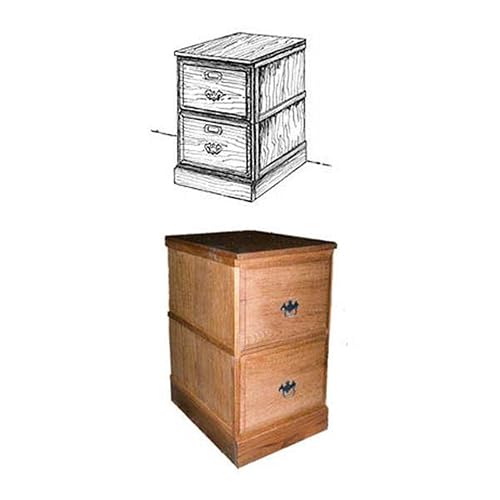 TOP CHOICEBest overallProject Paper Plan To Build Stackable Filing CabinetView on Amazon
- 2
 TOP CHOICEBest for a complete build referenceBookcases, Cabinets & Built-Ins: The Maker's Guide to Custom StorageView on Amazon
- 3
 TOP CHOICEBest for kitchen-style caseworkBuilding Kitchen Cabinets: The Essential Guide for Woodworkers and DIY EnthusiastsView on Amazon
- 4
 Best ready-made lateral optionSauder Edge Water 2 Drawer Lateral Filing Cabinet, Office File CabinetView on Amazon
- 5
 Best for a home office with shelvesFile Cabinet for Home Office,Wood Tall Office Filing Cabinet with StorView on Amazon
- 6
 Best for drawer and joinery detailIllustrated Cabinetmaking: How to Design and Construct Furniture That WorksView on Amazon
- 7
 Best for layout planningWoodworking and Carpentry Kitchen Cabinet Design Planner: Unique GraphView on Amazon
Our Top Picks
Quick Comparison
| Product | Best for | Key feature |
|---|---|---|
| Project Paper Plan To Build Stackable Filing Cabinet | Building your own cabinet | Stackable printed plan |
| Bookcases, Cabinets & Built-Ins | Custom storage design | Broad construction guidance |
| Building Kitchen Cabinets | Cabinet box fundamentals | Step-by-step casework methods |
| Sauder Edge Water 2 Drawer Lateral Filing Cabinet | Ready-made storage | Lateral file drawers |
| SEDETA Farmhouse 2 Drawer Filing Cabinet | Home office shelving | Letter, legal and A4 fit |
| Illustrated Cabinetmaking | Drawer and joint technique | Over 1300 drawings |
| Woodworking and Carpentry Kitchen Cabinet Design Planner | Sheet goods layout | Graph paper layout template |
Project Paper Plan To Build Stackable Filing Cabinet
Project Paper Plan To Build Stackable Filing Cabinet – Material Not Included Woodworking Miter Saw Table Plans: A Step-by-Step Build Guide goes further into this.
Best for: Building your own stackable filing cabinet from a printed plan.
This suits woodworkers who want a focused, single-project plan with a cut list and a straightforward build sequence.
Pros
- Clear, project-specific instructions
- Stackable design saves floor space
Cons
- Materials are not included, so you source your own lumber
Bookcases, Cabinets & Built-Ins: The Maker’s Guide to Custom Storage
Bookcases, Cabinets & Built-Ins: The Maker's Guide to Custom Storage
Best for: Designing a custom cabinet that fits your exact space.
Good for makers who want to adapt dimensions and joinery rather than follow one fixed plan.
Pros
- Covers design principles as well as construction
- Useful for built-in and freestanding pieces
Cons
- Less of a ready-to-follow plan for one specific file cabinet
Building Kitchen Cabinets: The Essential Guide for Woodworkers and DIY Enthusiasts
Building Kitchen Cabinets: The Essential Guide for Woodworkers and DIY Enthusiasts (Taunton's Build Like a Pro)
Best for: Learning cabinet box construction that transfers to a filing cabinet.
A solid choice for beginners who want to understand carcass building, face frames and drawer openings.
Pros
- Practical casework fundamentals
- Methods carry over to any drawer cabinet
Cons
- Kitchen focus means you adapt the examples yourself
Sauder Edge Water 2 Drawer Lateral Filing Cabinet, Office File Cabinet, in Estate Black finish
Sauder Edge Water 2 Drawer Lateral Filing Cabinet, Office File Cabinet, in Estate Black finish
Best for: A ready-made lateral filing cabinet with no build required.
Works for anyone who wants secure paper storage now rather than a weekend project.
Pros
- Lateral drawers suit letter and legal folders
- Ready to use out of the box
Cons
- Not a woodworking project, so no build learning
File Cabinet for Home Office, Wood Tall Office Filing Cabinet with Storage Shelves and Bookshelf
File Cabinet for Home Office,Wood Tall Office Filing Cabinet with Storage Shelves and Bookshelf,fits Letter/Legal/A4 Size SEDETA Farmhouse 2 Drawer Filing Cabinet for Home Office,Grey
Best for: A home office unit combining drawers and open shelves.
Suited to people who need filing plus display space in a small room.
Pros
- Fits letter, legal and A4 paper
- Combines filing and bookshelf storage
Cons
- Assembly and finish quality vary, according to owners
Illustrated Cabinetmaking: How to Design and Construct Furniture That Works
Illustrated Cabinetmaking: How to Design and Construct Furniture That Works – Over 1300 Drawings & Diagrams for Drawers, Tables, Beds, Bookcases, Cabinets, Joints & Subassemblies
Best for: Detailed drawer and joinery reference for builders.
Aimed at intermediate woodworkers who want to construct drawers that slide and last.
Pros
- Over 1300 drawings and diagrams
- Strong coverage of drawer construction
Cons
- Dense for complete beginners
Buying Guide
Skill Level and Build Experience
Start by honestly assessing your comfort with joinery, measuring, and reading technical drawings. Plans for a stackable or basic cabinet suit beginners, while general cabinetmaking references reward readers who already know their way around a shop.
If you are new to woodworking, look for plans that explain each step in plain language and include clear diagrams. Advanced reference books can still help later as your skills grow.
Clarity of Drawings and Instructions
Good plans show dimensions, cut lists, and assembly order in a way you can follow without guessing. Check whether the material list and drawings are detailed enough to work from before you buy.
Printed plans should be easy to read at the scale you plan to use. Confirm whether the plan includes full-size templates or requires you to scale dimensions yourself.
Size and Fit for Your Space
Measure the wall, corner, or closet where the cabinet will go, and consider the paper sizes you need to store. Letter, legal, and A4 folders have different depth requirements, so match the dimensions to your files.
Finished filing cabinets come in lateral and vertical styles with varying widths. Make sure the drawer or shelf layout suits how you store documents and whether you need open shelving for binders or supplies.
Materials and Budget Planning
Plans usually leave material selection to you, so factor in the cost of plywood, solid lumber, hardware, and finishing supplies. Sheet goods like plywood or MDF are common choices for cabinet carcasses and can keep costs predictable.
Finished units save time but offer less room for customization. Weigh the value of building your own piece against the convenience of a ready-made cabinet.
Tools and Workshop Requirements
Consider which tools you already own, such as a circular saw, drill, clamps, and a square. Some plans assume access to a table saw or router, so check the tool list before committing.
If your shop is limited, choose a design that uses simple joinery and minimal specialty equipment. Planning your cuts carefully can make a big difference when working with basic tools.
FAQ
Are woodworking plans for a filing cabinet suitable for complete beginners?
Yes, many filing cabinet plans are designed with beginners in mind and use straightforward joinery. Choose a plan with clear diagrams and a full cut list so you can follow each step with confidence. Taking your time with measuring and layout will help you get a sturdy result.
Do paper plans include the lumber and hardware I need?
Most paper plans list the materials you will need but do not include the wood, hardware, or finishing supplies. You will need to purchase these separately, so review the materials list before shopping. Check local lumber options and compare prices to plan your budget.
What size file cabinet should I build for my home office?
Start by measuring the available floor space and the height and depth of the folders you store. Standard letter and legal files need enough depth to sit flat and slide easily in drawers. Adjust the plan dimensions if your files are unusual sizes.
Is a finished filing cabinet a better choice than building one?
A finished cabinet is faster and requires no tools or workshop time, which suits people who need storage right away. Building your own gives you control over size, finish, and construction quality, and it builds valuable skills. Your choice depends on time, budget, and how much you enjoy the process.
Do I need advanced cabinetmaking skills to use a reference book?
Reference books on cabinetmaking cover a wide range of techniques, and some sections are more advanced than others. Beginners can start with the basic chapters on layout and simple joints before moving to complex construction. Pairing a reference with a beginner plan is a practical way to learn.
How do I keep a homemade filing cabinet stable and level?
Use square, accurately cut panels and secure joints with glue and fasteners appropriate for your material. Check the cabinet for square during assembly and allow glue to cure fully before loading the drawers. Anchoring a tall cabinet to the wall is also a good safety practice.
Conclusion
Beginners who want to learn by building should start with a clearly illustrated stackable filing cabinet plan, while those who need storage quickly will do better with a finished lateral or tall office cabinet. Readers interested in expanding their skills beyond one project will find the cabinetmaking references and kitchen cabinet planning resources useful for future builds.
Match your choice to your experience, workspace, and budget, and you will end up with a storage solution that works well in your home office.
Related reading
- Woodworking Plans for Cabinets: A Step-by-Step Build Guide
- Woodworking Plans Gun Cabinet: A Step-by-Step Build Guide for Beginners
- Woodworking Bathroom Cabinet Plans: 6 Steps to a Moisture-Ready Build
About Colin Foster
Colin Foster is part of our editorial team and reviews and edits our woodworking guides, checking product details against manufacturer specifications and owner feedback.