 By Claire Whitaker
Updated November 2026
The best wood router machine is the one that matches the kind of work you actually do, not the one with the biggest motor on the shelf. In this guide you will learn how routers are classified, which specifications matter for woodworking, how to match a machine to your projects, and which features are worth paying for. By the end, you should be able to narrow your choices to two or three models and buy with confidence.
What a Wood Router Machine Does
A router is a high-speed motor that spins a bit, typically between 10,000 and 30,000 RPM depending on the model. The bit cuts profiles, grooves, dados, rabbets, dovetails, and decorative edges into wood. Unlike a table saw, which mostly cuts straight through material, a router removes material from the surface or edge, so it is the tool you reach for when you need shaped or recessed cuts.
Shopping for one? See our guide: 7 Best 4×8 CNC Wood Router Machines of 2026: Buyer's Guide.
Most woodworkers end up owning at least one router, and many own two: a larger model for heavy work and a small one for trim and edge detail. Choosing well starts with understanding the main router types.
Router Types and Where Each Excels
Routers fall into a few broad categories. The table below summarizes the most common ones.
| Router type | Typical motor size | Best use | Main limitation |
|---|---|---|---|
| Fixed-base | 1.5 to 2.25 HP | Table mounting, repeatable cuts, dados and joinery | Bit must be set before power-on; less flexible freehand |
| Plunge | 1.5 to 3.25 HP | Mortises, stopped cuts, freehand work, general shop use | Slightly less rigid than fixed-base for table work |
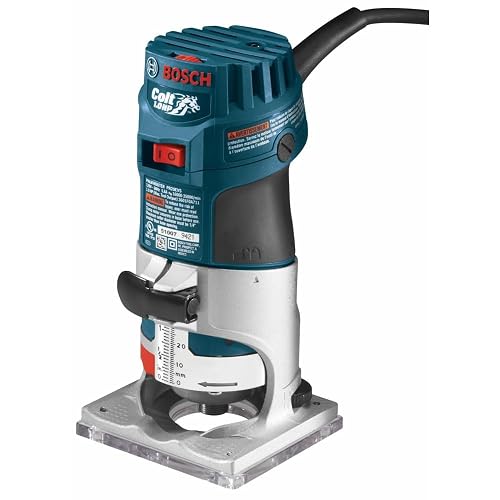
| Trim (compact) | 0.75 to 1.25 HP | Edge profiling, laminate trimming, light detail | Not suited to deep or wide cuts |
| Combo kit (plunge plus fixed-base) | 1.5 to 2.25 HP | Covers both table and handheld work | Two bases add cost and storage needs |
| Table-mounted (router table) | Varies | Production edge work, joinery, repeatable profiles | Requires a table and fence setup |
| Wood router with variable speed | Varies | Working across hardwoods, large bits, and specialty cuts | Costs more than fixed-speed models |
Key Specifications to Compare
Once you know the type, check these specifications before comparing individual models.
- Horsepower and amps. For most furniture and cabinet work, 1.75 to 2.25 HP is comfortable. Larger routers help with 1-inch-plus bits and deep cuts in hardwood.
- Speed range. Look for variable speed, typically from about 10,000 to 25,000 RPM. Large-diameter bits need lower speeds to avoid burning and tear-out.
- Collet size. Most routers take 1/4-inch or 1/2-inch collets, and many accept both with reducers. A 1/2-inch collet is more rigid and handles larger bits better.
- Depth adjustment. Micro-adjust depth controls make a difference when setting repeatable cuts. Check whether the fine-adjust knob is part of the base design.
- Plunge depth and lock. On a plunge router, confirm the maximum plunge depth and whether the depth lock holds firmly.
- Soft start and electronic speed control. These help prevent kickback on startup and keep speed steady under load.
- Dust port. A well-placed dust port that fits a standard shop vacuum hose keeps your bench and your lungs cleaner.
Matching a Router to Your Projects
Your projects should drive the choice more than any spec sheet. Use this quick decision process.
- List your three most common cuts. If they are mostly dados and rabbets for cabinets, a fixed-base or table-mounted router is your core tool. If you make a lot of mortises and freehand decorative work, prioritize a plunge router.
- Estimate your largest bit diameter. Raised-panel and cove bits can be 2 to 3 inches across. Those need a 1/2-inch collet and a larger motor.
- Decide on a table. If you plan to build or buy a router table, the router should be a fixed-base model designed for table mounting, with a removable base and a height adjustment that works from above.
- Plan for a second router. Many experienced woodworkers keep a full-size machine set up on a table and a compact trim router for edges and laminate. This split saves constant bit changes.
Setting Up for Your First Cuts
Whatever router you choose, make a few test cuts on scrap of the same species and thickness before cutting your project. Confirm depth, bit height and feed direction. Feed the router against the rotation of the bit, moving left to right on the outside edge of a workpiece, so the bit pushes into the wood rather than pulling away.
Common Mistakes When Buying and Using a Router
Woodworkers repeat several avoidable errors. Watch for these:
- Buying the most powerful motor without a use case. Extra horsepower is useful for big bits, but a mid-size router handles most shop tasks well.
- Ignoring the collet size. If you buy a 1/4-inch-only model, you may be limited to small bits later.
- Forcing the cut. Take multiple shallow passes, usually no more than 1/4 inch deep per pass in hardwood, rather than one deep plunge.
- Skipping bit maintenance. Dull or resin-coated bits cause burning and rough edges. Clean them regularly and sharpen or replace when needed.
- Running the router without a dust collection setup. Router dust is fine and goes everywhere. A proper port and vacuum save cleanup time.
- Working without eye and hearing protection. Routers are loud and throw chips at high speed. Always wear safety glasses and hearing protection, and keep hands clear of the bit path.
Tips for Better Results
- Clamp workpieces securely, or hold them against a fence or template with firm, steady pressure.
- Use a climb cut only with care, and only on the edges where the bit can grab the wood safely.
- Store bits in a rack or case to protect the carbide and prevent chipping.
- Keep the base flat and clean so the router sits square on the work surface.
Recommended gear
These items help most woodworkers get consistent, clean results with a router.
- A dedicated plunge router with variable speed. This is the most versatile single machine for general shop use, handling freehand work, mortises and stopped cuts. View on Amazon
- A compact trim router. Useful for edges, laminate and light detail where a full-size machine is awkward. View on Amazon
- A router bit set with 1/2-inch shanks. A good assortment of straight, round-over, chamfer and rabbeting bits covers most beginner and intermediate projects. View on Amazon
- A router table insert plate and fence. A stable table turns a handheld router into a precision joinery station. View on Amazon
Further Reading on Routers and CNC Options
If you are curious about computer-controlled routing, the site has detailed comparisons. For example, Wood Carving with Router: 5 Best CNC Machines and Bits Compared covers how CNC systems extend a hand router’s capabilities, while 4 Best Router Machines for Wood Picks for Hobbyists (2026) looks at handheld and table-mounted options in more depth. For sign work and lettering, see Wood Router for Lettering: 7 Best Picks for Sign Making in 2026. Makers building their own machines may find Build Your Own CNC Wood Router: 7 Best Kits and Machines Compared (2026) useful, and small-shop buyers should check 6 Best Small CNC Wood Router Machines for Hobbyists in 2026.
FAQ
What is the best wood router machine for a beginner?
A mid-size plunge router with variable speed, around 1.75 to 2.25 HP, is the most versatile starting point. It handles edge work, grooves and freehand cuts, and you can add a fixed-base or table setup later.
Do I need a router table?
Not at first. A handheld router with a guide or edge guide covers many tasks. A router table becomes valuable once you make repeated cuts, joinery or production edge profiles, because it gives you a stable, consistent setup.
What is the difference between a plunge router and a fixed-base router?
A fixed-base router has the motor locked at a set depth, which makes it ideal for table use and repeatable cuts. A plunge router lets you lower the bit into the wood while running, which is better for mortises and stopped cuts.
Which collet size should I choose, 1/4-inch or 1/2-inch?
A 1/2-inch collet is generally preferred for woodworking because it holds larger bits more rigidly and reduces vibration. A 1/4-inch collet is fine for small bits and trim work, and many routers include reducers for both.
How much horsepower do I need?
For furniture, cabinetry and general shop work, 1.5 to 2.25 HP covers most tasks. Larger, heavier cuts with 2-inch or bigger bits benefit from more power, though variable speed matters as much as raw horsepower.
Why does my router burn the wood?
Burning usually comes from a dull bit, a feed rate that is too slow, or cutting too deep in a single pass. Sharpen or replace the bit, increase feed speed slightly, and take shallower passes.
Is a router safe for beginners to use?
Routers are safe when used with proper technique, but they can cause serious injury if mishandled. Wear eye and hearing protection, clamp work securely, and consult a professional or take a hands-on class if you are unsure about setup or technique.
Conclusion
The best wood router machine for you depends on the cuts you make most often, the bit sizes you plan to use, and whether you need table or handheld operation. Start with a versatile plunge or fixed-base model, add a trim router for edges if your work demands it, and build from there. Compare specifications, make test cuts, and keep your bits sharp, and your router will serve your shop for years.
Related reading
- Wood Carving with CNC Router: 5 Best Machines for Hobbyists in 2026
- Vertical CNC Wood Router Picks: 6 Best Desktop Machines Compared (2026)
Ready to choose one?
About Claire Whitaker
Claire Whitaker is part of our editorial team and reviews and edits our woodworking guides, checking product details against manufacturer specifications and owner feedback.