 By Claire Whitaker
Updated November 2026
A router wood machine price can range from under a hundred dollars for a basic handheld tool to several thousand for a industrial CNC system. This guide explains what each category of machine costs, which features push the price up or down, and how to match a router to the work you actually plan to do. By the end, you will have a realistic budget range and a checklist for comparing models without overspending.
Understanding the Main Types of Wood Routers
Before comparing numbers, it helps to sort routers into the categories manufacturers use. Prices track closely with type, motor size and how much automation is included, so the category tells you more than any single listing.
Shopping for one? See our guide: 7 Best 4×8 CNC Wood Router Machines of 2026: Buyer's Guide.
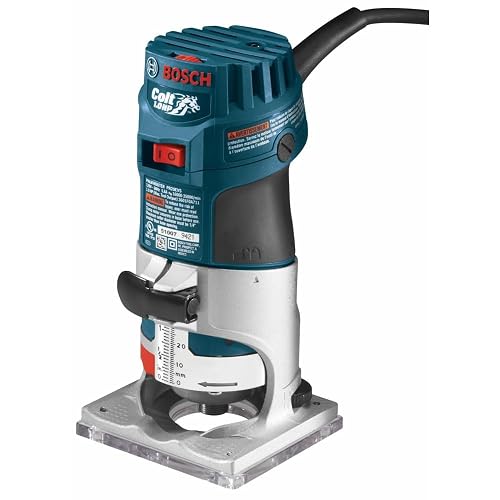
- Handheld (plunge and fixed-base) routers: The most common tool in home shops. You guide it by hand across the workpiece for edge profiles, dados, rabbets and template work.
- Table-mounted or router tables: A handheld router mounted upside down in a table, with the workpiece moved across the bit. This adds cost for the table and fence but improves control on small parts.
- Benchtop or desktop CNC routers: Computer-controlled machines with a small work area, typically used for signs, inlays, carvings and small production runs.
- Full-size CNC routers: Larger gantry machines for sheet goods and furniture parts, often with dust collection, vacuum hold-downs and industrial spindles.
Typical Router Wood Machine Price Ranges
Exact figures change with brand, motor rating and bundled accessories, so treat the ranges below as planning guidelines rather than quotes. Always confirm current pricing from the seller before budgeting.
| Machine type | Common use | Typical motor or spindle | Relative price tier |
|---|---|---|---|
| Compact fixed-base router | Edge profiles, light trimming | About 1 to 1.5 HP | Budget |
| Plunge router, full-size | Dados, mortises, template routing | About 2 to 3.5 HP | Mid-range |
| Router table with fence | Small parts, repeatable cuts | Uses existing router | Budget to mid-range |
| Desktop CNC router | Signs, carving, inlays | Router spindle or small spindle | Mid-range |
| Full-size CNC router | Sheet goods, furniture parts | Larger spindle, vacuum table | Premium |
Manufacturers usually specify motor horsepower or spindle power on the spec sheet. More power generally supports larger bits and deeper passes, which is why higher-powered models sit higher in the range.
Factors That Drive the Price Up or Down
Two machines with the same category label can differ widely in cost. These are the factors that most often explain the gap.
Motor Power and Spindle Quality
A stronger motor costs more to build and cool. For handheld routers, owners commonly report that 2.25 HP and above handles hardwood edge work and larger bits more comfortably than a small trim router. For CNC machines, spindle quality affects runout, noise and bearing life, and this is a major cost driver.
Build Rigidity and Frame Material
Heavier cast or welded frames resist flex during cutting. On CNC machines, rigidity directly affects accuracy at the cut, so better frames add cost. Thin extruded aluminum frames are cheaper but often limit feed rates on dense hardwood.
Work Area and Travel
Cutting area is a common price multiplier. A machine that handles a 12 by 12 inch piece costs far less than one that handles a 4 by 8 foot sheet. Remember to measure your typical workpiece before choosing.
Controller, Software and Accessories
Bundled controllers, limit switches, dust shoes, collets and starter bits all add value and cost. Compare what is included before comparing headline prices, because a lower sticker price can require several extra purchases.
Brand and Support
Established brands with local parts availability often price higher than unbranded imports. Some buyers accept the difference for documentation, warranty handling and replacement parts access.
How to Choose the Right Router for Your Budget
Start with the work, not the price tag. A router that exceeds your needs wastes money, while one that is underpowered leads to burnt bits and frustration.
- List the three projects you expect to build in the next year.
- Note the largest workpiece and the hardest wood species you will cut.
- Decide whether you need repeatable, computer-driven cuts or hand control.
- Set a realistic budget that includes bits, dust collection and safety gear.
- Compare two or three models in the same category, checking included accessories.
- Confirm warranty terms, parts availability and return policy before buying.
For a deeper look at specific machine categories, see Best Wood Router Machine: 6 Types Compared for Home Woodworkers (2026), which explains how each type fits different shop setups.
Budgeting Beyond the Machine
The router itself is only part of the total spend. Plan for router bits matched to your cuts, collets of the correct shank size, a dust collection solution, clamps or a vacuum hold-down for CNC work, and eye and hearing protection. Router bits in particular can add up quickly if you buy a full set of profiles at once, so start with the three or four bits your first projects need.
If you are considering CNC work, CNC Wood Router Price: What to Budget for in 2026 covers the accessory and software costs that often surprise first-time buyers.
Common Mistakes When Comparing Router Prices
- Comparing machines with different spindle or motor ratings. Check horsepower or spindle wattage on each spec sheet before comparing.
- Ignoring bundled accessories. A cheaper machine without a controller or collets may cost more once you add them.
- Buying oversized for occasional projects. A full-size CNC is rarely needed for small signs or boxes.
- Forgetting dust collection and safety gear. Routing produces fine dust and high noise, and these costs belong in the budget.
- Skipping warranty and parts research. A low price means little if replacement collets or motors are hard to find.
- Assuming a higher price guarantees better results. Fit to your work matters more than the top-tier model.
Tips for Getting the Most Value
- Buy a router that handles your largest planned bit, not your smallest.
- Check used listings for well-maintained handheld routers, but inspect the cord, switch and collet closely.
- For CNC, ask whether the seller provides sample files and setup support.
- Compare the cost of a router table plus a standard router against a dedicated shaper or table saw router setup for edge work.
- Read manufacturer manuals for the maximum recommended bit size and feed rate before first use.
Recommended gear
These items help you get value from a router purchase, whichever category you choose.
- A quality router collet set: Matching collets let you use bits with different shank sizes on the same machine. View on Amazon
- A router table insert kit: Useful when you want to mount a handheld router in a table for small parts and safer edge work. View on Amazon
- A dust collection shroud for routers: Captures chips at the cutter and reduces cleanup. View on Amazon
- A set of carbide router bits: Carbide holds an edge longer than high-speed steel on most hardwoods. View on Amazon
For related reading on CNC options that suit hobby shops, see Hobbyist CNC Wood Router Picks: 6 Best Machines for Home Shops (2026).
FAQ
What is a reasonable starting budget for a wood router?
A basic handheld router is the most affordable entry point, and a mid-range plunge router covers most home woodworking tasks. Budget for bits and dust collection on top of the machine.
Is a more expensive router always better?
No. A higher-powered model suits heavy hardwood work and large bits, but a smaller router can handle light trimming and edge profiles well. Match the tool to the work.
How much does a CNC wood router cost compared with a handheld router?
CNC machines generally cost considerably more than handheld routers because they include frames, drive systems, controllers and software. Desktop models sit well below full-size gantry machines.
Do router tables add much to the total cost?
A router table adds the cost of the table, fence and insert plate. It is usually a modest addition compared with CNC equipment, and it improves safety and repeatability on small parts.
Should I buy used?
Used handheld routers can be good value if they are inspected carefully for cord damage, switch function and collet wear. Used CNC machines require more checking, including frame condition, spindle hours and drive components.
What hidden costs should I plan for?
Plan for bits, collets, dust collection, hearing and eye protection, clamps or hold-downs, and for CNC work, software and cutting files. These often add meaningful cost beyond the machine itself.
Where can I find accurate current pricing?
Check manufacturer sites and reputable retailers directly, since prices change often. Compare bundled contents and warranty terms, not just the listed figure.
Conclusion
A router wood machine price depends mainly on machine type, motor or spindle power, build rigidity and included accessories. Start by defining your typical projects, then compare models in the same category using spec sheets rather than headline numbers. Budget for bits, dust collection and safety gear so your first months in the shop go smoothly. Always verify current pricing with the seller before you commit.
Related reading
- CNC Wood Router Machine Price: What You Actually Pay in 2026
- Wood Carving with Router: 5 Best CNC Machines and Bits Compared
Ready to choose one?
About Claire Whitaker
Claire Whitaker is part of our editorial team and reviews and edits our woodworking guides, checking product details against manufacturer specifications and owner feedback.