 By Colin Foster
Updated November 2026
Shoppers searching for the best hand tools woodworking projects need tends to fall into two groups: beginners building a first kit, and hobbyists filling gaps in a shop that already runs on power tools. Both need tools that cut cleanly, sharpen reliably and suit the work they actually do. The six picks below were selected on research-based criteria: the tool type and its intended job, the reputation of the maker, the fit of each product with common project types, and patterns in owner feedback about setup and performance. None of these were tested in our own shop, so treat the specs as what each listing states rather than measured results.
Our top picks at a glance
- 1
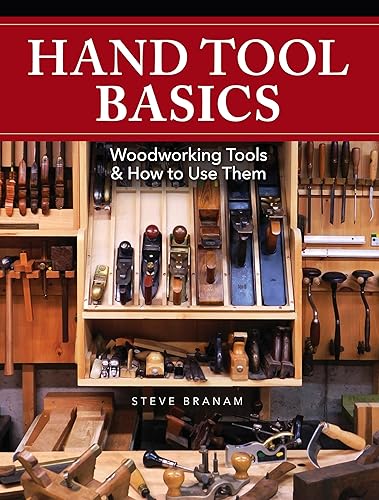 TOP CHOICEBest overallHand Tool Basics: Woodworking Tools and How to Use ThemView on Amazon
- 2
 TOP CHOICEBest for absolute beginnersEssential Woodworking Hand ToolsView on Amazon
- 3
 TOP CHOICEBest budget pickAmazon Basics Woodworking Hand Planer No.4 Adjustable Bench PlaneView on Amazon
- 4
 Best for joinery workWoodworking Joinery by Hand: Innovative Techniques Using Japanese Saws and JigsView on Amazon
- 5
 Best for edge workSaker Chamfer Plane Woodworking Edge Corner Flattening ToolView on Amazon
- 6
 Best for fine smoothingProfessional Smoothing Plane SUIZAN Kanna Japanese Wood PlanerView on Amazon
Our Top Picks
Quick Comparison
| Product | Best for | Key feature |
|---|---|---|
| Hand Tool Basics: Woodworking Tools and How to Use Them | Learning the full hand tool kit | Covers tool selection and technique together |
| Essential Woodworking Hand Tools | Beginners building a starter set | Focus on the core tools every bench needs |
| Amazon Basics Woodworking Hand Planer No.4 | Budget-minded smoothing and flattening | Adjustable bench plane with 2-inch blade |
| Woodworking Joinery by Hand | Cut-and-fit joinery | Japanese saw and jig techniques |
| Saker Chamfer Plane | Quick edge trimming | Interchangeable cutter heads and locator |
| SUIZAN Kanna Japanese Wood Planer | Fine finishing passes | Double-blade Japanese-style plane |
Hand Tool Basics: Woodworking Tools and How to Use Them
Hand Tool Basics: Woodworking Tools and How to Use Them
Best for: Learning the full hand tool kit
This is a good fit for readers who want to understand what each tool does before buying several of them. It suits someone setting up a bench for the first time and wanting a reference alongside their purchases.
Key specs
- Format: book covering hand tool types and technique
- Focus: tool selection, basic use and common mistakes
Pros
- Explains how tools relate to one another in a workflow
- Useful before spending money on individual tools
- Reference value stays useful as skills grow
Cons
- It is a book, so it does not replace hands-on practice
- Readers wanting only project plans may want a different title
Bottom line: A strong first purchase for anyone who wants to learn before buying a full kit.
Essential Woodworking Hand Tools
Essential Woodworking Hand Tools
Best for: Beginners building a starter set
Aimed at people assembling their first hand tool collection, this title focuses on the tools a bench genuinely needs. It works well for hobbyists who want guidance on which tools to prioritize.
Key specs
- Format: book on essential hand tools
- Focus: core tool choices for a working bench
Pros
- Prioritizes the tools most projects depend on
- Clear structure for a limited starting budget
- Pairs well with a single project-based practice plan
Cons
- Coverage of advanced joinery is limited
- Specific tool models will need separate research
Bottom line: Best for a reader who wants a focused starting list rather than a broad survey.
Amazon Basics Woodworking Hand Planer No.4 Adjustable Bench Plane
Amazon Basics Woodworking Hand Planer – No.4 Adjustable Bench Plane with 2-Inch Steel Blade for Quality Wood Smoothing Cuts, Grey/Black
Best for: Budget-minded smoothing and flattening
A number 4 bench plane is one of the most versatile hand tools for flattening boards and smoothing edges. This model suits a builder who wants a plane for surface work without a premium price tag.
Key specs
- Type: No. 4 adjustable bench plane
- Blade width: 2 inches
- Finish: grey and black
Pros
- Standard No. 4 size handles most flattening and smoothing tasks
- 2-inch blade covers a wide working width
- Budget-friendly entry into bench planes
Cons
- Budget planes often need blade sharpening and setup before first use
- Lower-cost castings may need flattening of the sole for best results
Bottom line: A sensible choice for a beginner who accepts some setup work in exchange for a low entry cost.
Woodworking Joinery by Hand: Innovative Techniques Using Japanese Saws and Jigs
Woodworking Joinery by Hand: Innovative Techniques Using Japanese Saws and Jigs
Best for: Cut-and-fit joinery
This book is aimed at builders who want to cut dovetails, tenons and other joints by hand with Japanese saws. It fits readers who already have basic tools and want to move into precise joinery.
Key specs
- Format: book on hand-cut joinery
- Focus: Japanese saws and jig-assisted techniques
Pros
- Concentrates on joinery, a gap many general guides skip
- Jig techniques help repeatable accuracy
- Useful for furniture and cabinet projects
Cons
- Assumes some prior sawing experience
- Japanese saws require their own learning curve
Bottom line: Best for an intermediate builder ready to focus on joints rather than general stock prep.
Saker Chamfer Plane Woodworking Edge Corner Flattening Tool
Saker Chamfer Plane-Woodworking Edge Corner Flattening Tool with Auxiliary Locator,Hand Chamfering Planer Suitable for Quick Edge Trimming of Wood (Combination upgrade-6 Cutter Heads, Black)
Best for: Quick edge trimming
A chamfer plane cuts small bevels on board edges and corners, a task many builders do by hand after glue-up. It suits anyone who wants clean, consistent edges without reaching for a router.
Key specs
- Type: hand chamfer plane with auxiliary locator
- Cutter heads: listed as 6 in the combination set
- Color: black
Pros
- Interchangeable cutter heads cover different chamfer sizes
- Locator helps keep the cut consistent along the edge
- Compact tool for quick edge work
Cons
- Single-purpose tool, not a substitute for a bench plane
- Cutter heads need regular sharpening to stay effective
Bottom line: A useful addition for builders who finish a lot of edges by hand.
Professional Smoothing Plane SUIZAN Kanna Japanese Wood Planer
Professional Smoothing Plane Woodworking Carpentry Joinery Furniture Making Tools Shaving Chip Breaker Chamfer Sharp Blade SUIZAN Kanna Japanese Wood Planer 1.7" Double Blade – Hand Block Plane
Best for: Fine finishing passes
A Japanese-style smoothing plane with a double blade suits fine finishing work on hardwoods and final surface passes. It is a good match for builders who want refined surfaces with less tearout.
Key specs
- Type: smoothing plane, Japanese-style kanna
- Blade: 1.7-inch double blade
- Body: hand block plane format
Pros
- Double blade reduces chatter during fine passes
- Suited to finish smoothing on hardwood
- Compact size for hand-held work
Cons
- Requires careful sharpening and blade setup
- Narrow blade limits efficiency on large flattening jobs
Bottom line: Best for experienced hand tool users focused on finishing quality.
Buying Guide
Tool Type and Project Fit
Start with the work you do most. Bench planes flatten and smooth, chamfer planes trim edges, and joinery saws cut precise joints. A tool that matches your main projects will get used far more than one bought for a single unusual task.
Good picks for this: Amazon Basics Woodworking Hand Planer No.4, Saker Chamfer Plane
Blade Quality and Sharpening Needs
Hand tools only perform as well as their edges. Check whether the listing includes a blade or cutter, the steel type if stated, and whether sharpening is expected before first use. Budget planes often need a blade honed and the sole checked for flatness.
Good picks for this: Amazon Basics Woodworking Hand Planer No.4, SUIZAN Kanna Japanese Wood Planer
Blade Width and Working Size
A 2-inch blade covers a wide surface quickly, while a narrower blade offers more control on fine passes and small parts. Match the width to the stock you plan to work, and remember that wider blades require more consistent pressure.
Good picks for this: Amazon Basics Woodworking Hand Planer No.4, SUIZAN Kanna Japanese Wood Planer
Learning Resources
Some hand tools have a steep learning curve. Books that explain technique alongside tool choice can shorten setup time and reduce frustration, particularly when you are new to sharpening and tuning.
Good picks for this: Hand Tool Basics: Woodworking Tools and How to Use Them, Essential Woodworking Hand Tools
Joinery Capability
If your projects involve dovetails, mortise and tenon, or other hand-cut joints, look for tools and guidance designed for that work. Japanese saws and jigs can improve accuracy but reward patient practice.
Good picks for this: Woodworking Joinery by Hand, Saker Chamfer Plane
Durability and Maintenance
Look for castings or bodies that hold their shape and sole flatness over time. Keep blades dry, store tools so edges do not knock together, and check adjustment mechanisms regularly. Owners of hand planes frequently report that routine maintenance matters more than initial cost.
Good picks for this: Amazon Basics Woodworking Hand Planer No.4, SUIZAN Kanna Japanese Wood Planer
Safety Around Sharp Edges
Hand tools are safer than many power tools, but sharp blades still cause cuts. Keep blades covered when not in use, clamp workpieces securely and cut away from your body. For guidance on general workshop hand safety, consult a qualified instructor or your local safety resources.
Good picks for this: Hand Tool Basics: Woodworking Tools and How to Use Them, Essential Woodworking Hand Tools
FAQ
What are the best hand tools for woodworking beginners?
Most beginners benefit from a bench plane, a set of chisels, a backsaw or Japanese pull saw, a marking gauge and a square. A focused starter reference helps you decide what to buy first.
Do I need hand tools if I already own power tools?
Many builders keep hand tools for final smoothing, edge work, and joinery where tearout or precision is a concern. Hand tools also work well in small spaces and for quiet, low-dust projects.
Is a No. 4 bench plane a good first plane?
A No. 4 is widely considered a versatile size for general flattening and smoothing. Expect to spend time sharpening and setting up a budget model before it cuts reliably.
What is a chamfer plane used for?
A chamfer plane cuts a small bevel along board edges and corners. It is useful for finishing edges quickly after glue-up or before sanding.
How do I keep hand tools sharp?
Use a sharpening system with stones or abrasives and hone the edge regularly. Check the manufacturer’s recommended bevel angle for each tool before sharpening.
Are Japanese hand tools better than Western ones?
Neither is universally better. Japanese saws cut on the pull stroke and suit fine joinery, while Western tools are often preferred for heavier stock. Choose based on your projects and the techniques you want to learn.
Conclusion
For most readers, a balanced kit starts with a reference book, a bench plane and a joinery-focused guide. Builders who finish a lot of edges may add a chamfer plane, while those chasing fine surfaces may prefer a Japanese smoothing plane. The right choice depends on your projects, your willingness to sharpen and tune, and how much you want to learn before buying. Matching the tool to the work will do more for your results than chasing a long list of options.
Sources
- Workplace hand tool and general shop safety guidance (osha.gov)
- Consumer product safety information relevant to tool use (cpsc.gov)
Related reading
- 6 Best 2nd Hand Woodworking Tools for Sale: Buyer's Guide (2026)
- 5 Best Japanese Woodworking Hand Tools for Beginners (2026)
- Woodworking Hand Tools Only: A Step-by-Step Guide to Building Without Power
- Traditional Woodworking Hand Tools: 7 Essentials for Your First Shop (2026)
- Top 6 Woodworking Tools for Teens Worth Considering in 2026
About Colin Foster
Colin Foster is part of our editorial team and reviews and edits our woodworking guides, checking product details against manufacturer specifications and owner feedback.