 By Audrey Hayes
Updated November 2026
Choosing the tools needed for basic woodworking can feel overwhelming when every catalog promises a full shop in one box. Beginners usually need a handful of reliable items: a saw for clean cuts, chisels for joinery and cleanup, a marking tool for accurate layout, and a good reference book to show how each tool is used. The picks below were selected on specifications, brand reputation and the patterns owners commonly report, with an emphasis on tools that cover the most ground for a new hobbyist.
Our top picks at a glance
- 1
 TOP CHOICEBest overallRUITOOL Japanese Hand Saw 6 Inch Double Edge Ryoba Pull SawView on Amazon
- 2
 TOP CHOICEBest for learning the craftThe Complete Book of Woodworking (Landauer)View on Amazon
- 3
 TOP CHOICEBest budget pick10pcs Professional Wood Carving Chisel Set Carbon Steel Woodworking ToolsView on Amazon
- 4
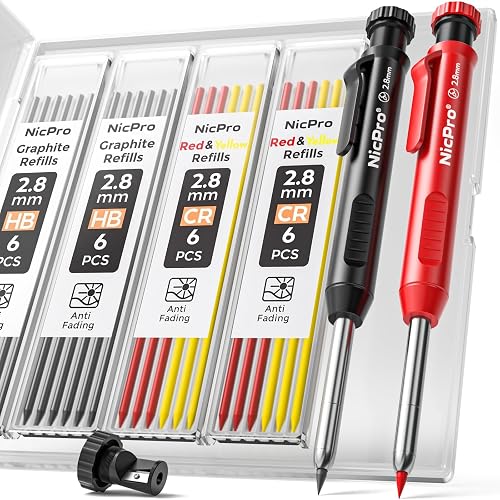 Best for layout workNicpro Deep Hole Marker Pencil Set Black Red With CaseView on Amazon
- 5
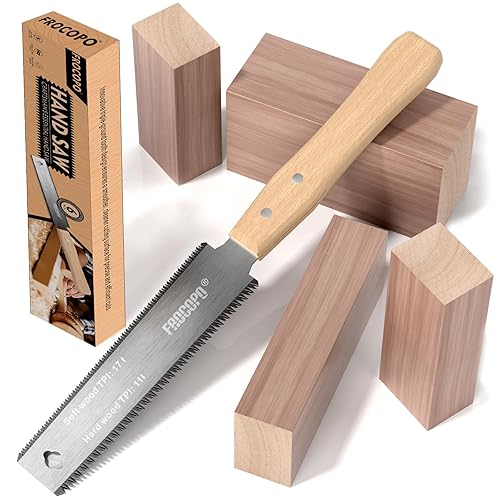 Best for small trim jobsHand Saw Woodworking Tools 6-Inch Pull Saw Flexible Double-Edge BladeView on Amazon
- 6
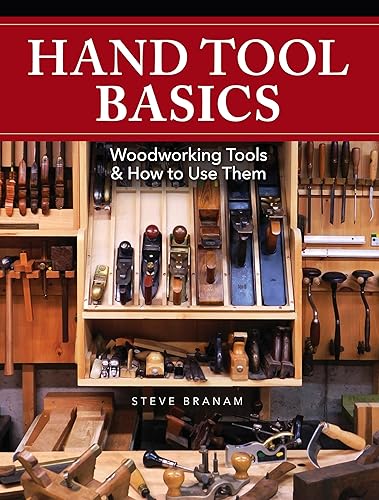 Best for hand tool beginnersHand Tool Basics: Woodworking Tools and How to Use ThemView on Amazon
Our Top Picks
| Product | Best for | Key feature |
|---|---|---|
| RUITOOL Japanese Hand Saw Ryoba Pull Saw | General cutting and flush cuts | Double-edge blade with 14 and 17 TPI teeth |
| The Complete Book of Woodworking (Landauer) | Learning core skills and techniques | 40+ projects with step-by-step photos |
| 10pcs Professional Wood Carving Chisel Set | Joinery cleanup and carving | Carbon steel chisels with power grip handles |
| Nicpro Deep Hole Marker Pencil Set | Accurate layout and marking | Deep-hole pencils with 26 refills and a case |
| Hand Saw Woodworking Tools 6-Inch Pull Saw | Small trim and garden wood work | Flexible 17/11 TPI double-edge blade |
| Hand Tool Basics: Woodworking Tools and How to Use Them | Understanding hand tool technique | Focused guide to basic hand tool use |
RUITOOL Japanese Hand Saw 6 Inch Double Edge Ryoba Pull Saw
Flexible SK5 Blade, 14/17 Tpi Double-Edge Teeth, Beech Handle Wood Saw, Woodworking Tools for Hardwood, Softwood, Finish Cuts RUITOOL Japanese Hand Saw 6 Inch Double Edge Ryoba Pull Saw for Flush Cuts
Best for: General cutting and flush cuts
This saw suits beginners who want one small saw for crosscuts, rip cuts and finish work. Its pull-stroke design is popular with people learning to keep the blade straight and controlled.
Key specs
- Double-edge flexible blade
- 14 and 17 TPI teeth on either edge
- Beech handle
- 6-inch blade length
Pros
- Two tooth counts cover both rough and fine cuts
- Pull stroke gives good control on thin stock
- Compact enough to store in a drawer
Cons
- Small blade limits cutting depth on wide boards
- Flexible blade needs careful handling to stay straight
Bottom line: A strong first saw for beginners who want versatility without a large footprint.
The Complete Book of Woodworking (Landauer)
The Complete Book of Woodworking: Step-by-Step Guide to Essential Woodworking Skills, Techniques, Tools and Tips (Landauer) 40+ Easy-to-Follow Projects and Plans, 1,200+ Photos, and Carpentry Basics
Best for: Learning core skills and techniques
Beginners who want a structured reference will find this book useful for understanding joinery, tool setup and project planning. It pairs well with a physical shop because it shows the steps as well as the reasons behind them.
Key specs
- 40+ step-by-step projects and plans
- Over 1,200 photos
- Covers carpentry basics and essential techniques
Pros
- Clear photo sequences for each step
- Project plans scale to a range of skill levels
- Covers tools and techniques in one place
Cons
- Print references can date as tool designs change
- Some readers want more depth on power tool setup
Bottom line: The right pick for anyone who learns best from illustrated, step-by-step instruction.
10pcs Professional Wood Carving Chisel Set Carbon Steel Woodworking Tools
10pcs Professional Wood Carving Chisel Set – Carbon Steel Woodworking Tools, Power Grip Chisels Great for Carving and Woodworking
Best for: Joinery cleanup and carving
This set suits beginners who want a range of chisel sizes for paring, cleanup and light carving. The power grip handles are designed for two-handed control, which many owners find easier on the hands during longer sessions.
Key specs
- 10-piece set
- Carbon steel blades
- Power grip handles
Pros
- Multiple sizes cover most beginner joinery tasks
- Handles give a secure grip for mallet work
- Good starting range for carving practice
Cons
- Carbon steel needs regular honing and oiling to resist rust
- Edges may need sharpening out of the box for fine work
Bottom line: A budget-friendly way to start with chisels across several sizes.
Nicpro Deep Hole Marker Pencil Set Black Red With Case
Deep Hole Marker Pencil Set Includes Sharpener and 26 Refills, Comfortable Grip, Heavy Duty Woodworking Tools for Architect Nicpro Mechanical Carpenter Pencils for Construction (Black, Red) With Case
Best for: Accurate layout and marking
Accurate layout is the foundation of good woodworking, and deep-hole pencils are designed to mark on rough or uneven surfaces where regular pencils wear down quickly. The two colors help separate cut lines from reference marks.
Key specs
- Deep-hole marker design
- Includes sharpener and 26 refills
- Black and red leads
- Carrying case included
Pros
- Marks well on rough lumber and sheet goods
- Two colors help distinguish cut and reference lines
- Refills and case keep the set organized
Cons
- Thick leads are less precise than a marking knife for fine joinery
- Case size may be bulky for tool bags
Bottom line: A practical layout tool for anyone building rough or medium-precision projects.
Hand Saw Woodworking Tools 6-Inch Pull Saw Flexible Double-Edge Blade
Hand Saw Woodworking Tools, 6-Inch Pull Saw, Flexible Double-Edge Blade 17/11 TPI, Japanese Flush Cut for DIY Craft, Non-Slip Wood Handle, Sharp & Lightweight for Woodworking and Garden Trim
Best for: Small trim jobs and garden wood work
This lightweight pull saw suits beginners working on small trim, craft pieces or garden projects. Its non-slip handle and fine teeth make it manageable for detail cuts.
Key specs
- 6-inch flexible double-edge blade
- 17 and 11 TPI teeth
- Non-slip wood handle
Pros
- Light and easy to control for small cuts
- Fine teeth leave relatively clean edges
- Works for both woodworking and garden trim
Cons
- Not suited to thick stock or long rip cuts
- Thin blade can bend if pushed rather than pulled
Bottom line: Best for beginners who mostly cut small pieces and want a second, lighter saw.
Hand Tool Basics: Woodworking Tools and How to Use Them
Hand Tool Basics: Woodworking Tools and How to Use Them
Best for: Understanding hand tool technique
This book focuses on how basic hand tools are used and maintained. It suits readers who plan to build with hand tools first or want a clear foundation before buying power equipment.
Key specs
- Focused on basic woodworking hand tools
- Covers tool use and technique
Pros
- Concentrates on fundamentals rather than projects
- Useful companion for any hand tool kit
- Helps beginners avoid common technique mistakes
Cons
- Less project-driven than a full plans book
- Coverage of power tools is limited or absent
Bottom line: A good pick for readers who want to understand hand tools before expanding their kit.
Buying Guide
Essential tool categories for a basic shop
A basic woodworking kit usually covers five groups: cutting (saws), shaping (chisels and planes), marking (pencils, knives and squares), measuring (rules and tapes), and reference material. Start with cutting and marking, since almost every project depends on them. Chisels come next, followed by measuring tools as projects grow more precise.
Good picks for this: RUITOOL Japanese Hand Saw and Nicpro Deep Hole Marker Pencil Set
Blade tooth count and cut quality
Teeth per inch (TPI) controls how smooth a cut looks. Lower TPI removes material faster and suits rough crosscuts; higher TPI leaves a cleaner edge for finish work. Saws with two tooth counts on one blade give flexibility. Check the TPI in the listing before buying.
Good picks for this: RUITOOL Japanese Hand Saw and Hand Saw Woodworking Tools 6-Inch Pull Saw
Steel type and edge maintenance
Carbon steel holds a sharp edge well but rusts if left damp, so it needs oil and periodic honing. Many beginners find it easy to maintain once they build a routine. Look for clear information on steel grade and handle design in the product description.
Good picks for this: 10pcs Professional Wood Carving Chisel Set
Size and fit for your workspace
Compact tools fit small benches and tool drawers. A 6-inch saw stores easily, while a large carcass saw needs more room. Measure your storage before buying a full set, and choose items that match the size of the projects you plan to build first.
Good picks for this: Hand Saw Woodworking Tools 6-Inch Pull Saw and Nicpro Deep Hole Marker Pencil Set
Intended use and project type
Match tools to the work you plan to do. Carving and joinery cleanup call for chisels, while rough layout on lumber calls for deep-hole pencils. Trim and craft work favors small, light saws. Writing down your first three projects helps narrow the list.
Good picks for this: 10pcs Professional Wood Carving Chisel Set and Hand Tool Basics
Learning resources and reference material
A good reference book shortens the learning curve. Look for step-by-step photos, clear diagrams and project plans with cut lists. A book does not replace hands-on practice, but it helps beginners understand why a technique works.
Good picks for this: The Complete Book of Woodworking and Hand Tool Basics
Safety equipment and workshop habits
Basic safety gear includes eye protection, hearing protection when using loud tools, and a stable work surface. Keep chisels and saws sharp and stored safely, since dull tools often cause more slips. Consult a professional or a qualified instructor if you are unsure how to use a tool safely.
Good picks for this: RUITOOL Japanese Hand Saw and 10pcs Professional Wood Carving Chisel Set
FAQ
What are the most important tools needed for basic woodworking?
Most beginners need a saw, a set of chisels, marking tools such as pencils or a marking knife, a measuring rule or tape, and a square. Add a good reference book to guide your first projects. Power tools can come later.
Do I need power tools to start woodworking?
No. Many woodworkers begin with hand tools only. Hand tools are quieter, take less space and teach technique well. Power tools can speed up work once you understand the basics.
How many saws should a beginner own?
One versatile saw covers most early tasks, and a second smaller saw is helpful for fine or trim work. Choose saws based on the cuts you plan to make most often.
What is TPI and why does it matter?
TPI stands for teeth per inch. Lower TPI cuts faster and rougher, while higher TPI cuts slower and cleaner. Matching TPI to the job helps you get smoother results.
How should I care for chisels and saws?
Keep blades dry and lightly oiled, store them so edges do not knock together, and hone chisels regularly. Dull tools require more force and increase the risk of slips, so sharpening is part of basic safety.
Is a book really necessary for learning woodworking?
A book is not required, but it speeds up learning by showing steps, joinery methods and project plans in one place. Pair reading with small practice pieces to build skill.
Conclusion
The tools needed for basic woodworking are a saw, chisels, marking tools, measuring tools and a reference book. The RUITOOL Japanese Hand Saw suits anyone who wants one versatile saw, while The Complete Book of Woodworking suits readers who learn from illustrated steps. The chisel set works for joinery cleanup, the Nicpro pencils for layout, and the 6-inch pull saw for small trim jobs. For hand-tool-first learners, Hand Tool Basics adds focused technique guidance. Choose based on the projects you plan to build first.
Sources
- Consumer safety information on power and hand tool hazards (cpsc.gov)
- Workplace guidance on hand and portable tool safety (osha.gov)
- Standards and measurement information relevant to accurate layout (nist.gov)
Related reading
- Woodworking Power Tools: What Each Does and Safety Basics
- Basic Tools for Woodworking by Hand: 7 Best Picks for Beginners (2026)
- Basic Tools for Woodworking Shop: 5 Essentials Compared (2026)
- 7 Best Basic Tools in Woodworkings for Beginners (2026)
- Woodworking Measuring Tools: Rules, Tapes and Squares
- Hand Tools for Woodworking: Uses, Safety and Sharpening
- Woodworking Tools for Cabinet Making: 7 Best Picks for Accurate Builds (2026)
- Woodworking Tools for Beginners: What to Buy First
About Audrey Hayes
Audrey Hayes is part of our editorial team and reviews and edits our woodworking guides, checking product details against manufacturer specifications and owner feedback.