 By Audrey Hayes
Updated November 2026
Shoppers looking for japanese woodworking tools for sale usually want the same few things: a saw that cuts on the pull stroke, chisels that hold a fine edge, a marking tool that makes clean layout lines, and enough reading material to know how to use it all. This list covers seven products that fit those needs. Selection was based on the tool type, listed specifications, brand reputation in the hand tool community, and patterns that owners commonly report about sharpness, handle comfort and fit for beginner joinery work.
Our top picks at a glance
- 1
 TOP CHOICEBest overallFlexible SK5 Blade, 14/17 Tpi Double-Edge Teeth, Beech Handle Wood SawView on Amazon
- 2
 TOP CHOICEBest for joinery startersStarter Kit for Japanese Joinery with Plane, Pull Saws, Chisels, GennoView on Amazon
- 3
 TOP CHOICEBest for mortise and tenon workOire Nomi for Mortise & Tenon Joinery, Fine Detail Work – Laminated JaView on Amazon
- 4
 Best reference bookJapanese Woodworking Tools: Their Tradition, Spirit and UseView on Amazon
- 5
 Best for learning joineryJapanese Woodworking and Joinery: A Beginner's Guide to the Tools & TeView on Amazon
- 6
 Best budget pickJapanese Woodworking for Starters: A Practical Guide to Japanese WoodwView on Amazon
- 7
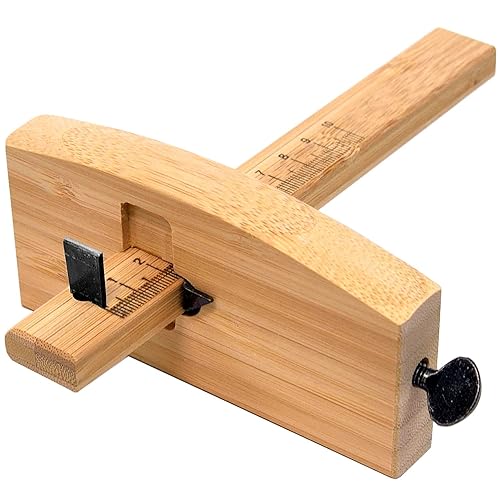 Best for precise layoutRazor-sharp Japanese steel blade, Made in Japan, Adjustable width forView on Amazon
Our Top Picks
Before buying any of these, it helps to know what kind of work you plan to do. A pull saw suits a hand-tool shop that cuts small stock. A chisel set suits people who already have a saw and want to cut clean joints. Books and kits suit people who are still learning which tool does what. Read the comparison table first, then the individual picks.
Ryoba Pull Saw
RUITOOL Japanese Hand Saw 6 Inch Double Edge Ryoba Pull Saw for Flush Cuts
Flexible SK5 Blade, 14/17 Tpi Double-Edge Teeth, Beech Handle Wood Saw, Woodworking Tools for Hardwood, Softwood, Finish Cuts RUITOOL Japanese Hand Saw 6 Inch Double Edge Ryoba Pull Saw for Flush Cuts
If you want more background, see Woodworking Tools for Beginners: What to Buy in Order.
Best for: General hand sawing and flush cuts in hardwood and softwood
This is a double-edged pull saw with one side for rip cuts and one for crosscuts. It suits someone building small projects who wants a saw that cuts on the pull stroke and leaves a thin kerf.
Key specs
- Flexible SK5 blade
- 14 and 17 teeth per inch, one per edge
- Beech handle
- 6-inch blade length
Pros
- Pull-stroke cutting gives better control on thin stock.
- Two tooth counts cover both rough and finish cuts.
- Compact size fits small benches.
Cons
- A 6-inch blade limits depth of cut on wide boards.
- Owners often recommend a separate saw for heavy stock.
Bottom line: A strong first saw for someone who wants a compact, versatile Japanese pull saw for everyday hand cuts.
KAKURI Japanese Woodworking Hand Tool Set
Starter Kit for Japanese Joinery with Plane, Pull Saws, Chisels, Genno Hammer, Marking Gauge and Tool Bag – Made in Japan
Starter Kit for Japanese Joinery with Plane, Pull Saws, Chisels, Genno Hammer, Marking Gauge & Tool Bag – Made in Japan KAKURI Japanese Woodworking Hand Tool Set, Traditional Carpentry Tool Kit
Best for: Buyers who want a complete starter set for Japanese joinery
This kit bundles the core hand tools needed for basic joinery in one purchase. It suits someone setting up a first hand-tool bench who would rather not source each item separately.
Key specs
- Includes plane, pull saws, chisels, Genno hammer, marking gauge
- Comes with a tool bag
- Made in Japan
Pros
- Covers the main tool types in one set.
- Tool bag keeps pieces together and protected.
- Good starting point for learning Japanese joinery.
Cons
- Bundled tools may need sharpening and setup before first use.
- Some buyers later replace individual pieces with higher-end versions.
Bottom line: The most complete option here for someone starting from zero who wants one kit to learn with. A related read: 3 Best Air Powered Woodworking Tools for Hobbyists (2026).
KAKURI Japanese Wood Chisel Set 3-Piece
Oire Nomi for Mortise and Tenon Joinery, Fine Detail Work – Laminated Japanese Steel Blade, Red Oak Handle, Made in Japan
Oire Nomi for Mortise & Tenon Joinery, Fine Detail Work – Laminated Japanese Steel Blade, Red Oak Handle, Made in Japan KAKURI Japanese Wood Chisel Set 3-Piece for Woodworking (Long Handle)
Best for: Mortise and tenon work and fine detail cuts
These long-handled chisels are meant for paring and mortising. They suit someone who already has a saw and wants chisels that handle joinery work.
Key specs
- Laminated Japanese steel blades
- Red oak handles
- Three-piece set
- Long handle design
Pros
- Laminated steel is often reported to hold a fine edge.
- Long handles give two-hand control for paring.
- Set covers several widths for joinery.
Cons
- Requires a sharpening setup and regular honing.
- Long handles may feel awkward in tight spaces.
Bottom line: A good pick for mortise and tenon work once you have a saw and sharpening system in place.
Japanese Woodworking Tools: Their Tradition, Spirit and Use
Japanese Woodworking Tools: Their Tradition, Spirit and Use
Japanese Woodworking Tools: Their Tradition, Spirit and Use
Best for: Readers who want background on how and why Japanese tools are made and used
This book covers the history and philosophy behind Japanese woodworking tools. It suits readers who want to understand the tools, not just buy them.
Key specs
- Book format
- Covers traditional tool types and their uses
Pros
- Explains the reasoning behind tool design.
- Useful reference alongside a physical tool set.
- Gives context for maintenance and use.
Cons
- Not a step-by-step project guide.
- Readers wanting hands-on joinery instruction may need a second book.
Bottom line: Best for readers who like to understand the tools they buy, and who want that background before picking up a chisel.
Japanese Woodworking and Joinery: A Beginner’s Guide
Japanese Woodworking and Joinery: A Beginner’s Guide to the Tools and Techniques Used by Master Carpenters in Japan
Japanese Woodworking and Joinery: A Beginner's Guide to the Tools & Techniques Used by Master Carpenters in Japan
Best for: Learning joinery techniques with the tools covered in this list
This guide pairs tool descriptions with joinery techniques. It suits a beginner who wants to know how to use a saw, chisel and marking gauge together on real joints.
Key specs
- Book format
- Covers tools and joinery techniques
Pros
- Connects tools to specific joints.
- Written for beginners.
- Good companion for practice boards.
Cons
- Reading alone does not replace practice time.
- Some techniques may need additional reference material.
Bottom line: A practical companion for anyone buying their first set of Japanese joinery tools.
Japanese Woodworking for Starters
Japanese Woodworking for Starters: A Practical Guide to Learn Hand Tools, Simple Joinery, and Traditional Techniques to Create Beautiful Projects from Scratch
Japanese Woodworking for Starters: A Practical Guide to Japanese Woodworking: Learn Hand Tools, Simple Joinery, and Traditional Techniques to Create Beautiful Projects from Scratch
Best for: A budget-friendly introduction to hand tools and simple projects
This guide focuses on simple projects and basic hand-tool skills. It suits someone who wants a lower-cost way to learn before buying a full tool set.
Key specs
- Book format
- Project-focused beginner content
Pros
- Project-based structure keeps learning practical.
- Covers hand tools and simple joinery.
- Accessible for a complete beginner.
Cons
- Less depth on advanced joinery.
- Readers may outgrow it quickly.
Bottom line: A practical choice for a beginner who wants projects to follow alongside a basic tool kit.
KAKURI Wood Marking Gauge 4.7″
Razor-sharp Japanese steel blade, Made in Japan, Adjustable width for clean layout lines, mortise, tenon, dovetail, joinery KAKURI Wood Marking Gauge for Woodworking 4.7″, Japanese KEBIKI Scribe Tool
Razor-sharp Japanese steel blade, Made in Japan, Adjustable width for clean layout lines, mortise, tenon, dovetail, joinery KAKURI Wood Marking Gauge for Woodworking 4.7", Japanese KEBIKI Scribe Tool
Best for: Precise layout lines for mortise, tenon and dovetail work
A marking gauge scribes a consistent line parallel to an edge, which matters for joinery. This one suits someone who wants clean, repeatable layout lines.
Key specs
- 4.7-inch length
- Japanese steel blade
- Adjustable width
- Made in Japan
Pros
- Adjustable width suits many joint sizes.
- Sharp blade gives a fine scribed line.
- Compact for bench use.
Cons
- Blade needs care to stay sharp.
- Small size may feel fiddly for large layouts.
Bottom line: A focused pick for anyone who cuts mortise, tenon or dovetail joints and wants accurate layout lines.
Quick Comparison
| Product | Best for | Key feature |
|---|---|---|
| RUITOOL Japanese Hand Saw Ryoba | General hand sawing | Double-edged pull saw |
| KAKURI Japanese Woodworking Hand Tool Set | Complete starter kit | Bundled tools with bag |
| KAKURI Japanese Wood Chisel Set 3-Piece | Mortise and tenon work | Laminated steel long-handle chisels |
| Japanese Woodworking Tools: Their Tradition, Spirit and Use | Background reading | Tool history and use |
| Japanese Woodworking and Joinery: A Beginner’s Guide | Learning joinery | Tools paired with techniques |
| Japanese Woodworking for Starters | Budget-friendly learning | Project-based beginner guide |
| KAKURI Wood Marking Gauge 4.7″ | Precise layout lines | Adjustable Japanese steel blade |
Buying Guide
Know Which Cut Type You Need
Japanese saws come in several forms, including ryoba (double-edged), dozuki (back-reinforced for precise joinery) and kataba (single-edged). A ryoba handles both rip and crosscuts, which makes it a practical first saw. Check whether the blade cuts on the pull stroke, since that changes how you hold and push the saw.
Good picks for this: RUITOOL Japanese Hand Saw Ryoba, KAKURI Japanese Woodworking Hand Tool Set
Check Blade Steel and Edge Quality
Japanese chisels and planes often use laminated steel, with a hard steel edge bonded to a softer body. Manufacturers commonly describe this construction as holding a fine edge longer. Look for clear steel information in the listing and plan for regular honing.
Good picks for this: KAKURI Japanese Wood Chisel Set 3-Piece, KAKURI Wood Marking Gauge 4.7″
Match Handle Length to Your Work
Long-handled chisels suit two-hand paring and mortising at a bench. Shorter handles give more control for one-handed work. Consider how you plan to hold the tool and whether the handle material feels comfortable in your grip.
Good picks for this: KAKURI Japanese Wood Chisel Set 3-Piece
Consider Set Versus Single Tools
A starter kit gives broad coverage in one purchase but may include tools you use less often. Buying single tools lets you choose exactly what you need. Think about whether you want to learn with a complete set or build your collection over time.
Good picks for this: KAKURI Japanese Woodworking Hand Tool Set, Japanese Woodworking for Starters
Plan for Sharpening and Care
Japanese tools typically need sharpening with water stones or similar systems, and they rust if left damp. Budget time and a sharpening setup into your plan. A tool that never gets sharpened will frustrate you no matter how good the steel is.
Good picks for this: KAKURI Japanese Wood Chisel Set 3-Piece, Japanese Woodworking and Joinery: A Beginner’s Guide
Choose Layout Tools for Joinery
Accurate joinery starts with accurate lines. A marking gauge with a sharp blade and an adjustable width helps you scribe repeatable lines for tenons and mortises. Check that the gauge locks firmly so the setting does not drift during use.
Good picks for this: KAKURI Wood Marking Gauge 4.7″
Use Books to Fill Knowledge Gaps
Tools do more when you know how to use them. Reference books explain tool history and use, while beginner guides show joinery steps. Pick a book that matches your current skill level.
Good picks for this: Japanese Woodworking Tools: Their Tradition, Spirit and Use, Japanese Woodworking and Joinery: A Beginner’s Guide
FAQ
What is the difference between a ryoba and a dozuki saw?
A ryoba is a double-edged pull saw with a thin blade, typically used for general rip and crosscuts. A dozuki has a reinforced back that keeps the blade straight, which makes it popular for fine joinery such as dovetails.
Do Japanese woodworking tools need to be sharpened before first use?
Many owners report that new Japanese tools benefit from sharpening and setup before they cut well. Check the manufacturer’s guidance and expect to spend time honing the edge.
Are Japanese chisels better than Western chisels?
They are designed differently. Japanese chisels often use laminated steel and are commonly used with pulling or paring motions, while Western chisels are often struck with a mallet. Which suits you depends on the joints you plan to cut.
Is a starter kit a good buy for a beginner?
A kit can give broad coverage and help you learn which tools you use most. It may include items you rarely need, so compare the included tools with your plans before buying.
How should I store Japanese hand tools?
Keep blades dry and lightly oiled, since carbon steel can rust. Store tools in a case or rack that protects the edges from knocks.
Which tool should I buy first?
Most beginners start with a saw and a marking gauge, then add chisels as joinery needs grow. A starter kit can cover all of these at once if you prefer a single purchase.
Conclusion
For most buyers, the RUITOOL Japanese Hand Saw Ryoba is a practical first purchase because it covers a wide range of cuts. Beginners who want everything in one box should look at the KAKURI Japanese Woodworking Hand Tool Set. If your joinery work centers on mortises and tenons, the KAKURI Japanese Wood Chisel Set pairs well with the KAKURI Wood Marking Gauge. Readers who want to learn the craft first can start with the books, which explain how the tools fit into real joinery.
Sources
- Workplace hand tool safety guidance, including safe use of cutting tools (osha.gov)
- Consumer product safety information on sharp tools and hand tool hazards (cpsc.gov)
Related reading
- Vintage Woodworking Tools for Sale: How to Find, Check and Buy Them
- Used Woodworking Tools for Sale: A Buyer's Guide to Smart Shopping (2026)
- Traditional Japanese Woodworking Tools: A Beginner's Guide to Key Types
- Japanese Woodworking Tools Book: 5 Titles to Start Your Hand Tool Library
About Audrey Hayes
Audrey Hayes is part of our editorial team and reviews and edits our woodworking guides, checking product details against manufacturer specifications and owner feedback.