 By Claire Whitaker
Updated November 2026
A wood working router price depends on three things: the motor size, the base style, and the accessories included in the box. Once you know which features your projects actually require, you can narrow the field to a few models and skip paying for capacity you will never use. This guide walks through how router prices are structured, what each tier of tool typically offers, and how to match a purchase to the work you do.
How Wood Working Router Price Tiers Break Down
Most handheld routers fall into three loose tiers. Manufacturers rarely publish a single “correct” category, but the differences in motor, base, and controls are consistent enough to plan around. Because prices change with promotions and product cycles, use these tiers as a framework rather than a fixed list.
Compact trim and laminate routers
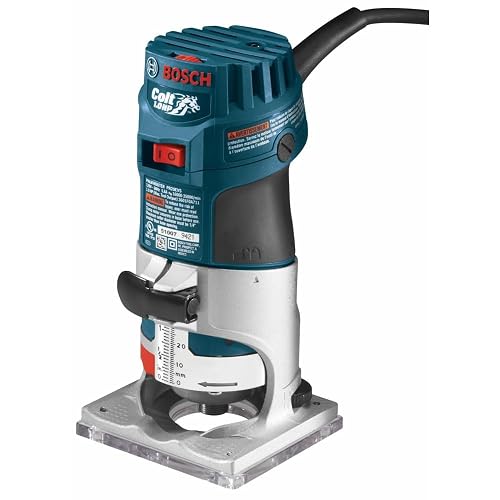
These are small, lightweight tools with motors generally in the 1 to 1.25 horsepower range. They are built for edge trimming, laminate work, small profiles, and light grooving. They usually use 1/4-inch collets only and have limited plunge capability, if any. For beginners who mostly want to round over edges on shelves or trim plywood, this tier is the lowest-cost entry point into a wood working router.
Mid-range fixed-base and combination routers
Mid-range models commonly sit between about 1.5 and 2.25 horsepower and include variable speed control, often with a soft-start feature. Many offer both 1/4-inch and 1/2-inch collets, which opens the door to larger bits for raised panels, rail-and-stile profiles, and dadoes. Combination kits that include a fixed base and a plunge base are common in this tier, and they represent the best value for most home shops.
Premium plunge and production routers
Premium routers typically exceed 2.25 horsepower and feature precise depth adjustment, electronic speed feedback, and sturdier bases with better dust collection ports. Owners often report that these tools hold cut quality better under heavy use and produce less vibration at high speeds, which matters for large panel work and repeated production runs. The price premium buys stability and refinement rather than raw cutting ability for simple jobs.
Factors That Drive the Cost of a Wood Router
When you compare two routers that look similar on a retail page, the differences that affect price usually come down to a short list of specifications. Learn to read those specs, and you can judge value without relying on brand reputation alone.
- Motor horsepower and amperage: Higher amperage generally means more torque under load, which matters when cutting hardwoods or using bits over 1.5 inches in diameter.
- Collet size: A router with a 1/2-inch collet accepts a wider range of bits, but 1/2-inch shank bits are more expensive than 1/4-inch shank bits.
- Speed range and control: Variable speed is important for larger bits and for working with different wood species. Electronic speed feedback adds cost but helps maintain consistent RPM under load.
- Base type: Fixed bases are simpler and cheaper. Plunge bases cost more but allow you to start cuts in the middle of a workpiece, which is essential for mortises, inlays, and sign work.
- Depth adjustment: Micro-adjust depth knobs and turret-style bases increase price but speed up setup and improve repeatability.
- Dust collection: Built-in ports sized for standard shop vacuum hoses add convenience and reduce cleanup time.
- Included accessories: Some kits bundle a fixed base, plunge base, edge guide, and a case. Compare what is included against what you would need to buy separately.
Matching a Router Purchase to Your Projects
The most common purchasing mistake is buying for hypothetical projects instead of the ones you actually build. Start with a short inventory of your next six months of work, then choose the tier that handles those tasks comfortably. The table below maps common project types to the features they require.
| Project type | Typical bit size | Recommended features | Tier to consider |
|---|---|---|---|
| Edge rounding and chamfers on shelves | 1/4-inch shank | Fixed base, simple speed control | Compact |
| Dadoes and grooves for cabinets | 1/4-inch or 1/2-inch shank | Fixed base, edge guide | Mid-range |
| Raised panel doors | 1/2-inch shank, large diameter | Variable speed, 2+ HP, stable base | Mid-range to premium |
| Mortises, inlays and sign lettering | 1/4-inch or 1/2-inch shank | Plunge base, micro-adjust depth | Mid-range (plunge kit) |
| Production runs and large panels | 1/2-inch shank | Electronic speed control, dust port, heavy base | Premium |
If you are planning to add a router table later, check how the router mounts before you buy. Fixed-base-only tools are sometimes less versatile in a table, and not every model is designed for it. Guides such as Wood Router Table Combo: How to Choose and Build One Step by Step (2026) explain how router tables and handheld routers work together.
Budget Versus Premium: Where Money Makes a Difference
Spending more is not always the right move. A budget fixed-base router with adequate horsepower will handle most edge profiles, dadoes, and small decorative work without trouble. The upgrades that tend to matter most for daily use are a plunge base, a micro-adjust depth system, and variable speed. These features save time and improve accuracy more than extra horsepower on a router you use for light work.
Consumables also affect the total cost of ownership. High-quality carbide bits hold their edge longer and produce cleaner cuts, which can reduce sanding and rework. For guidance on bits, see 5 Best Wood Working Router Bits for Every Project (2026).
Common Mistakes When Buying a Wood Working Router
- Choosing by horsepower alone. Peak horsepower ratings vary by manufacturer. Focus on sustained amperage and speed control instead.
- Ignoring the collet. A 1/4-inch-only router limits you to smaller bits. Check whether the collet can be changed, and whether 1/2-inch collets are available for that model.
- Skipping a plunge base for future work. Adding a plunge base later can cost nearly as much as buying a combination kit, so consider it early if you plan inlays or mortises.
- Overlooking dust collection. Router dust is fine and gets everywhere. A port that fits your shop vacuum makes a real difference in shop cleanliness.
- Buying bits that do not match the shank. Always confirm bit shank diameter against the collet before purchasing.
Tips for Getting the Most from Your Router Budget
- Write down the five projects you expect to build in the next year and list the bit sizes each requires.
- Choose a motor and collet combination that handles your largest bit with a margin of power.
- Buy a combination kit if you plan to do both edge work and plunge work.
- Invest in a quality straight bit set and a rabbeting bit before buying specialty profiles.
- Test your setup on scrap pine or poplar before cutting finished stock.
Recommended gear
These items support most router setups and improve the results you get from any wood working router.
- Plunge router kit: A combination kit with fixed and plunge bases gives you flexibility for both edge work and mortising. View on Amazon
- Router bit set with 1/4-inch shank: A starter set of straight, roundover, and chamfer bits covers most common edge and groove tasks. View on Amazon
- Router edge guide: An edge guide keeps cuts parallel to the workpiece edge and improves consistency on dadoes and rabbets. View on Amazon
- Shop vacuum with dust port adapter: A hose adapter that fits your router’s dust port reduces airborne dust during routing. View on Amazon
FAQ
What is a typical wood working router price range?
Prices vary widely by motor size, base type, and included accessories. Budget compact routers sit at the low end, mid-range combination kits cover most home shop needs, and premium plunge routers cost the most. Check current listings for exact figures, since retail prices change often.
Is a plunge router worth the extra cost?
For mortises, inlays, sign work, and any cut that starts in the middle of a board, a plunge base is essential. If you only do edge work, a fixed-base router is usually enough.
How much horsepower do I need for a wood router?
For light trimming and small profiles, 1 to 1.5 horsepower is usually adequate. For raised panels, large bits, and hardwood work, 2 horsepower or more gives better performance under load.
Should I buy a router with variable speed?
Yes, if you plan to use bits over about 1 inch in diameter or work with several wood species. Variable speed lets you slow the bit for large profiles and reduce burning on dense hardwoods.
Do I need a 1/2-inch collet or is 1/4-inch enough?
A 1/4-inch collet covers small bits and light work. A 1/2-inch collet is better for larger profiles and reduces vibration with big bits. Many mid-range routers include both collets.
Can a wood router be used in a router table?
Many handheld routers can be mounted in a router table, but not all are designed for it. Check the manufacturer’s specifications before buying a table or a router intended for table use.
Are router prices likely to change?
Yes. Promotions, model updates, and seasonal sales change pricing throughout the year. Focus on specifications first, then compare current offers.
Should a beginner buy a cheap router?
A budget router is a reasonable starting point if it has adequate horsepower and a stable base. Make sure it accepts the bit sizes you plan to use and has basic depth adjustment. Always follow the manufacturer’s safety instructions and wear eye and hearing protection while routing.
Conclusion
A wood working router price reflects motor power, base style, speed control, and included accessories. Start by listing the projects you actually plan to build, then choose the tier that handles those tasks with some headroom. A mid-range combination kit suits most home shops, while premium models make sense for heavy production work. Buy the features you need now, and add accessories as your skills grow.
Related reading
Ready to choose one?
About Claire Whitaker
Claire Whitaker is part of our editorial team and reviews and edits our woodworking guides, checking product details against manufacturer specifications and owner feedback.