 By Audrey Hayes
Updated November 2026
Woodworking shop tools and equipment can add up fast, so the smart move is to buy in the right order. This guide walks you through the core machines, hand tools, measuring gear and shop equipment that most home woodworkers need, explains what each one does, and shows you how to set priorities so your first shop builds real projects instead of gathering dust.
Start With Your Project List, Not the Catalog
The most common beginner mistake is buying tools because they look impressive. A better starting point is a short list of the projects you actually want to build. A birdhouse, a wall shelf and a small side table need very different equipment. Write down three to five projects, note the materials and joinery each one requires, and let that list drive your purchases.
Shopping for one? See our guide: 6 Best Woodworking Equipment and Tools for Home Shops (2026).
Questions to answer before you buy
- How much floor space do you have, and can you move heavy machines?
- Are you working with rough lumber or S4S (surfaced four sides) stock?
- Will you be cutting sheet goods like plywood, or mostly solid hardwood?
- Do you have a dedicated outlet with enough amperage for a cabinet saw or dust collector?
- What is your realistic budget for the next twelve months, and what can wait?
The Core Power Tools
Most home shops build around a small group of stationary machines. Each one handles a job that is slow or inaccurate to do by hand, and together they cover milling, cutting, shaping and smoothing.
Table saw
The table saw is the center of many shops. It rips boards to width, crosscuts with a miter gauge or sled, and cuts dados, rabbets and grooves when fitted with the right blade or dado stack. Look for a fence that locks parallel to the blade, a flat cast-iron or aluminum top, and a blade guard system you will actually use. Owners often report that the fence and alignment matter more than motor size for everyday accuracy.
Jointer and planer
Rough lumber is rarely flat, straight or uniform in thickness. The jointer flattens one face and squares one edge. The planer then brings the board to consistent thickness by taking parallel passes off the opposite face. Many beginners start with a combination jointer-planer or with a benchtop planer and a hand plane, then upgrade as their stock volume grows. Check the maximum cutting width and depth of cut, and confirm your dust collection can handle the chip load.
Band saw
A band saw handles curves, resawing thick stock into thinner boards, and cutting irregular shapes that would be unsafe on a table saw. A 14-inch model is a common home-shop size. Blade selection matters: narrow blades cut tighter curves, and wider blades track better for resawing.
Router
A plunge router, used with a table or handheld, cuts profiles, dadoes, mortises and decorative edges. Pair it with a set of straight, flush-trim and roundover bits, and a few shop-made jigs for repeatable work. Our readers often start with a fixed-base router and add a plunge base later.
Random orbit sander and drill
A random orbit sander produces a swirl-free finish when you step through grits, usually from 120 to 220 for most projects. A cordless drill/driver handles pilot holes, pocket screws and general assembly. Both tools are inexpensive to start with and get used on nearly every project.
Hand Tools That Still Earn Their Place
Power tools speed up stock prep, but hand tools handle fitting, final adjustments and tasks where a machine would be overkill. Even a power-focused shop benefits from a few well-tuned hand tools.
- Block plane for trimming end grain, chamfering and fitting joints.
- Chisels in at least 1/4, 1/2 and 1 inch widths for cleaning out mortises and paring tenons.
- Backsaw for precise crosscuts and tenon shoulders.
- Marking gauge to scribe baselines that give cleaner joints than a pencil.
- Sharpening setup including stones or a guided system. A dull chisel is more dangerous than a sharp one.
Measuring, Marking and Layout Equipment
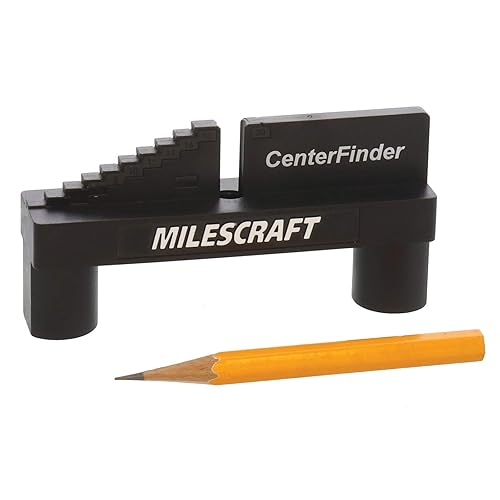
Accuracy starts with reliable measuring tools. Keep at least one quality combination square, a steel rule, a tape measure and a reliable try square. Check your squares against a known straight edge before trusting them, and recheck them periodically. A small set of clamps (bar, pipe and F-style) rounds out this group, since glue-ups and jigs depend on consistent clamping pressure.
Shop Equipment and Infrastructure
Machines are only part of a safe, productive shop. Plan for these supporting items early:
| Item | Why it matters | Priority |
|---|---|---|
| Dust collector or shop vac with cyclone | Fine dust causes health problems and degrades machine performance | High |
| Workbench | Gives you a flat, stable surface for assembly and hand work | High |
| Eye and hearing protection | Prevents injury from flying chips and loud machines | High |
| Push sticks and push blocks | Keeps hands away from blades on the table saw and jointer | High |
| Lighting | Reduces errors and makes cutting lines easier to see | Medium |
| Storage and wall racks | Keeps tools organized and reduces trips across the shop | Medium |
| Moisture meter | Helps you avoid warping by checking lumber before milling | Medium |
Recommended gear
These items are widely used in home shops and help with the foundations covered above.
- Festool Domino helps cut loose tenons quickly and accurately for frame and panel joinery. View on Amazon
- Bessey K Body clamps offer strong, reliable clamping for glue-ups and jigs. View on Amazon
- Shop Fox dust collector is a common choice for home shops needing extra chip removal. View on Amazon
Building Your Shop in Stages
A practical order for most beginners looks like this: first, a workbench and basic hand and measuring tools; second, a drill, sander and router; third, a table saw or track saw for stock breakdown; fourth, a jointer, planer and dust collection; fifth, a band saw and specialty jigs. Each stage should unlock the next. For example, a track saw can break down plywood before you own a table saw, and a shop-made sled can extend what a basic saw does.
Common Mistakes
- Skipping dust collection until lungs and machines start complaining.
- Buying a large machine before confirming your circuit can run it.
- Ignoring blade and bit quality. A premium blade often improves results more than a bigger motor.
- Trusting a square or fence without checking it first.
- Working without push sticks, or removing guards to save time.
- Buying every gadget before building a single project.
Tips for Getting More From Your Tools
- Set up each machine on a schedule: check blade height, fence alignment and table flatness monthly.
- Keep a small notebook of jig dimensions and setups you use often.
- Buy good blades and sharpen chisels. Both change results more than most accessories.
- Take a basic safety course or read your machine manuals closely before first use.
FAQ
What is the single most important woodworking shop tool to buy first?
Most experienced woodworkers recommend a sturdy workbench and a reliable measuring and marking kit first, followed by a drill and a random orbit sander. These give you a stable place to work and let you build simple projects before investing in stationary machines.
Do I need a table saw to start woodworking?
No. A circular saw with a straightedge guide or a track saw can break down boards and sheet goods accurately. A table saw is very useful but not required for many beginner projects.
How much space do I need for a basic shop?
A one-car garage can hold a workable shop, provided you plan for both machine clearance and material infeed and outfeed. Leave room to handle long boards safely, typically several feet beyond each machine.
Is dust collection really necessary for a home shop?
Yes. Fine wood dust is a health concern, and chips clog machines and reduce accuracy. Even a basic shop vac with a cyclone separator makes a noticeable difference. For health questions, consult a physician or occupational health professional.
Should I buy used woodworking equipment?
Used tools can be a good value, especially older cast-iron machines. Check the machine for rust, alignment, bearing noise and whether parts are still available before you buy.
What safety gear should I wear in the shop?
Eye protection, hearing protection and a dust mask or respirator are standard. Avoid loose clothing and jewelry near spinning blades and bits, and use push sticks on table saws and jointers.
How do I know if my shop wiring can handle a new machine?
Check the nameplate amperage and voltage requirements, then compare them with your circuit breaker and outlet. If you are unsure, consult a licensed electrician before running a large motor.
Conclusion
A well-equipped woodworking shop grows from a clear project list, a few core tools and steady attention to safety and dust control. Start with the workbench, measuring tools and portable power, then add stationary machines as your projects demand them. Tuned, well-maintained equipment will serve you far better than a full wall of unused gadgets.
Related reading
- Woodworking Tools and Jigs: 5 Shop Jigs That Improve Accuracy (2026)
- Woodworking Tools You Need: 5 Best Picks for Your Shop (2026)
- Woodworking Tools Table Saw: 6 Best Picks Compared for Home Shops (2026)
- Woodworking Tools Lee Valley: 7 Shop Tools Worth Knowing (2026)
- Woodworking Power Tools Set: 7 Machines to Build a Starter Shop
- Woodworking Essential Power Tools: 7 Machines to Build Your Shop (2026)
- Used Woodworking Shop Tools: A Buyer's Guide to What to Check First
Ready to choose one?
About Audrey Hayes
Audrey Hayes is part of our editorial team and reviews and edits our woodworking guides, checking product details against manufacturer specifications and owner feedback.